Zaffe to First Dance: Programming Music for a Lebanese Wedding in Beirut or the Gulf
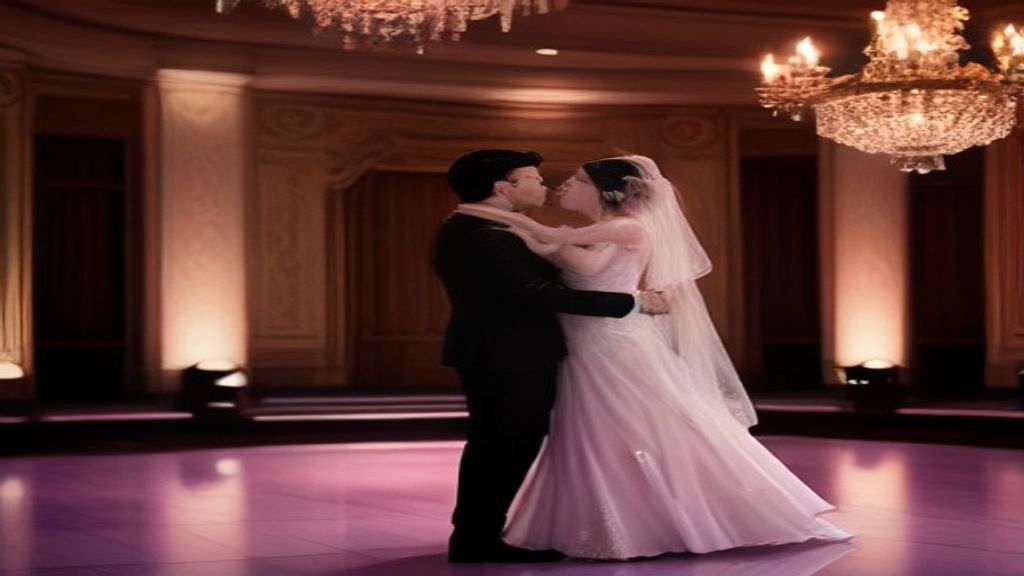
A Lebanese wedding is not one party. It's four or five parties stitched together, each with its own tempo, its own instrumentation, and its own emotional job to do. Get the order wrong and the night feels disjointed. Get it right and nobody in the room notices the DJ at all — they just remember dancing until sunrise.
I've built these sets for couples in Beirut and for Lebanese and Arabic families celebrating across Doha, Dubai, and the wider Gulf, where the guest list is often split between people who grew up on dabke and people who grew up on house music. That mix is the real craft. Here's how I approach it.
The zaffe sets the tone for everything after it
The zaffe — the ceremonial entrance of the bride and groom, often with drummers, a tablah line, or a live band — is the loudest emotional beat of the night before the reception even starts. As a DJ, you're rarely running the zaffe alone; you're coordinating with live percussionists or a small band, then handing straight back to the sound system the second the couple reaches the dance floor.
The handoff matters more than the entrance itself. A clumsy transition from live daf and tabla into recorded music kills the energy the zaffe just built. I always ask for the zaffe group's exact tempo and key before the day, so the first track I play afterward lands in the same emotional register instead of resetting the room to zero.
Reading the room: Arabic, dabke, and Western in the same night
Most Lebanese weddings — whether the reception is in Beirut, Jounieh, or a ballroom in Doha or Dubai — expect three musical languages in one evening:
- Dabke and Arabic pop for the high-energy stretches, especially once the older generation and extended family are on the floor.
- Western top 40, house, and 90s classics for the stretch of the night aimed at a younger, more international crowd.
- Slow Arabic and Western ballads for the first dance, the parents' dance, and the quieter moments between courses.
The skill isn't picking good songs in each category. It's knowing exactly when to cross between them without losing the floor. A dabke set that runs twenty minutes too long empties the room just as fast as switching to deep house before the room is ready for it. I read energy the same way I would in a club — watching feet, not requests — but the palette is wider and the stakes are higher, because there's no second night to fix a bad call.
What actually changes between a Beirut wedding and a Gulf wedding
The traditions are the same. The logistics often aren't.
- Guest mix. A Beirut wedding is usually more musically homogenous — dabke and Arabic pop dominate. A Gulf wedding, especially in Doha or Dubai, tends to draw a more international guest list, which pushes the set further toward Western and Afrobeats-influenced tracks in the second half of the night.
- Venue acoustics. Beirut weddings lean toward mountain venues, gardens, and older hotel ballrooms with their own sound quirks. Gulf hotel ballrooms are newer and more acoustically controlled, but often larger, which changes how you place subs and monitors for the dance floor versus the dinner tables.
- Curfews and permits. Outdoor Beirut venues can run later with fewer restrictions. Hotel ballrooms in Doha and Dubai usually have firmer end times written into the venue contract, which changes how tightly the last hour needs to be programmed — you don't get an extra fifteen minutes to build back up if the energy dips early.
- Ramadan and seasonal scheduling. Weddings in the Gulf shift heavily around Ramadan and the summer heat, pushing peak wedding season into cooler months. Beirut's wedding calendar is less tied to that, running heavy through spring and early autumn instead.
Questions worth asking your DJ before you book
Whether you're planning in Beirut, Doha, or Dubai, these are the questions that actually predict whether the night goes well:
- Do you bring your own sound system, or work with the venue's house rig?
- How do you handle the transition from a live zaffe band or percussion group?
- Can you take song and artist preferences from both sides of the family without turning the set into a jukebox?
- What's your plan if the crowd skews older or younger than expected?
- Do you use Rekordbox or Serato, and can you take last-minute track requests live without breaking the set's flow?
That last one matters more than couples expect. A DJ working off a well-organized Rekordbox library can pull in a specific dabke edit or an unreleased remix mid-set without dead air. A DJ working off a messy folder of downloaded MP3s can't. If you're building or cleaning up your own library of wedding-ready tracks, curated WAV packs from a source like Top DJ Crates are worth knowing about — clean, DJ-ready files save exactly the kind of scramble that ruins a first dance.
The last hour is where weddings are won or lost
By the time dinner is done and speeches are over, energy naturally dips. The final ninety minutes need a clear arc: rebuild slowly with recognizable dabke and Arabic pop, peak with the tracks you know will fill the floor regardless of who's in the room, then close warm rather than abrupt. Cutting a wedding off cold at the contracted end time, mid-peak, is one of the most common regrets couples mention afterward. A good DJ negotiates that ending with the room in mind, not just the clock.
I've spent twenty years building sets across genres and decades — the 70s, 80s, and 90s tracks that still fill Lebanese and Gulf dance floors better than almost anything new — and weddings are where that range actually gets used in full, sometimes in the same fifteen minutes.
If you're planning a wedding in Beirut, Doha, Dubai, or anywhere across the Gulf and want someone who can move between a zaffe handoff and a 2 a.m. dabke set without losing the room, I'm based in Doha and available for bookings across the region. Get in touch early — the best wedding dates fill up fast, and the planning conversation matters as much as the night itself.