Why Your Venue's Acoustics Matter More Than the DJ: A Sound Guide for Weddings in Bahrain and Kuwait
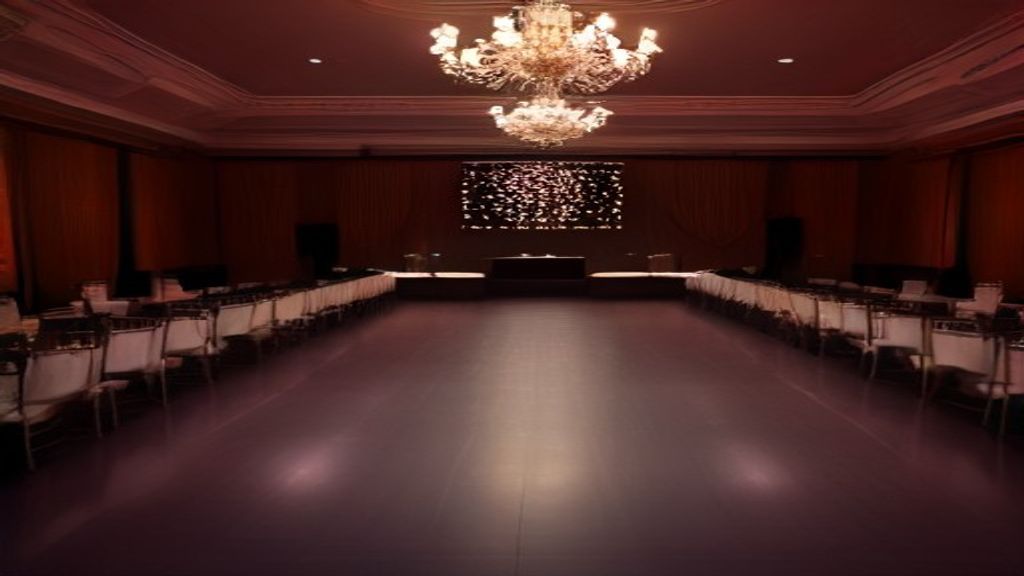
I've set up in ballrooms with soaring ceilings, beach tents with nothing but sand underfoot, and function rooms with marble floors from wall to wall. Same speakers, same Pioneer CDJs, same Rekordbox library — completely different sound every time. If you're planning a wedding, private party, or corporate event in Bahrain or Kuwait, the venue's acoustics will shape your night as much as the playlist does. Most people never think about this until they're standing in the room wondering why the bass feels muddy or the vocals disappear.
Why does the same DJ sound different in every room?
Sound behaves according to the space it's in, not according to how good the equipment is. A room's size, shape, and surfaces determine how sound waves bounce, absorb, or cancel each other out. Two rooms of identical size can sound completely different depending on what's on the walls and floor.
Hard, reflective surfaces are the main culprit. Marble floors, glass walls, mirrored ceilings and bare concrete — common in a lot of Gulf hotel ballrooms and outdoor tents — bounce sound around instead of absorbing it. That creates echo and a "washed out" mix where individual instruments blur together. Soft surfaces do the opposite: heavy drapes, carpets, upholstered chairs, and a full dance floor of guests all absorb sound and tighten it up.
This is why a room that sounds fine at a sparsely attended rehearsal can sound completely different once it's full of two hundred guests in suits and gowns. People absorb sound too.
What actually goes wrong at events in Bahrain and Kuwait venues
Between beachfront resorts, five-star ballrooms, and outdoor majlis-style tents, Bahrain and Kuwait give you a wide range of acoustic environments — and each one comes with its own problems if nobody plans for it in advance.
- Cavernous ballrooms with high ceilings create long, slow echo that makes speech and vocals harder to understand, even if the music sounds punchy.
- Outdoor tents and gardens swallow bass entirely — there are no walls to reinforce low frequencies, so the sound feels thin unless the system is scaled up specifically for open air.
- Marble-and-glass hotel function rooms, common across Manama and Kuwait City, bounce high frequencies and can make a system sound harsh at higher volumes.
- Waterfront and beach venues add wind and open space into the mix, which changes coverage and throw distance for speakers.
- Rooms split by pillars or dividers create dead zones where guests at the back barely hear the music at all.
None of these are reasons to avoid a beautiful venue. They're reasons to plan the sound setup around the room instead of dropping in a generic package and hoping for the best.
What should you ask before booking the venue or the DJ?
This is where a lot of event planning goes wrong — the venue gets booked months before anyone thinks about sound, and by the time the DJ walks in, the room's quirks are locked in. A few questions early on save a lot of trouble later:
- Has live sound or a DJ played this exact room before? Venues that host events regularly usually know their own acoustic issues.
- What's the ceiling height and floor surface? This alone tells an experienced DJ a lot about what to expect.
- Is the space indoor, outdoor, or a mix — like a tent connected to an indoor lounge? Transitions between spaces need their own sound plan.
- How many speaker zones does the room need? A 300-guest ballroom needs more than one pair of speakers pointed at the stage; coverage has to be even across the whole floor, not just loud near the DJ booth.
- Is there a sound limiter or decibel restriction? Many hotels in the Gulf cap volume for noise compliance, and that changes how a set has to be built and mixed.
Asking these before the day of the event means the DJ can bring the right system, position speakers correctly, and adjust EQ for the room rather than fighting it live.
Does this actually change how a DJ builds the set?
Yes, more than people expect. In a live, echo-heavy room, I'll lean on tracks with cleaner low-end and avoid overly bass-heavy transitions that turn to mud. In an outdoor tent, I'll push more low-frequency energy through subs specifically positioned for open air, because the ground and sky aren't reinforcing anything for you. In a room with a strict volume cap, pacing and song choice matter more than raw loudness — energy has to come from the track selection and the crowd, not the decibel meter.
This is also where BPM and energy curve planning intersect with acoustics. A room that swallows bass needs a different build toward the first dance or the peak dance-floor moment than a tight, live room that reflects every kick drum back at you. A good DJ reads both the crowd and the room.
Sound and lighting go together, not separately
Acoustics get less attention than lighting, but the two are connected. A dead, absorbent room often needs brighter, more dynamic lighting to keep energy up because the sound alone won't carry the room's atmosphere. A live, reflective room can handle subtler lighting because the sound already fills the space. Planning them together — rather than booking a sound vendor and a lighting vendor separately with no coordination — avoids a night that looks great in photos but sounds flat in the videos.
Booking sound that actually fits your venue
If you're planning a wedding, private party, or corporate event in Bahrain, Kuwait, or anywhere across the Gulf, the venue walkthrough is the right moment to bring your DJ into the conversation — not after the invitations go out. I've built sets and systems for ballrooms, beach tents, and everything in between across the region, and I'd rather hear about your room's ceiling height and floor surface now than troubleshoot it on the night.
I'm based in Doha and travel throughout Qatar, the UAE, Bahrain, Kuwait, Saudi Arabia, and Lebanon for bookings — weddings, private and yacht parties, corporate events, and club dates. If you're planning something in Manama, Kuwait City, or anywhere in the Gulf, get in touch early and let's talk through the room before we talk through the playlist.