Weddings in the Chouf: Booking a DJ for Beiteddine's Palace Courtyards and Mountain Villages
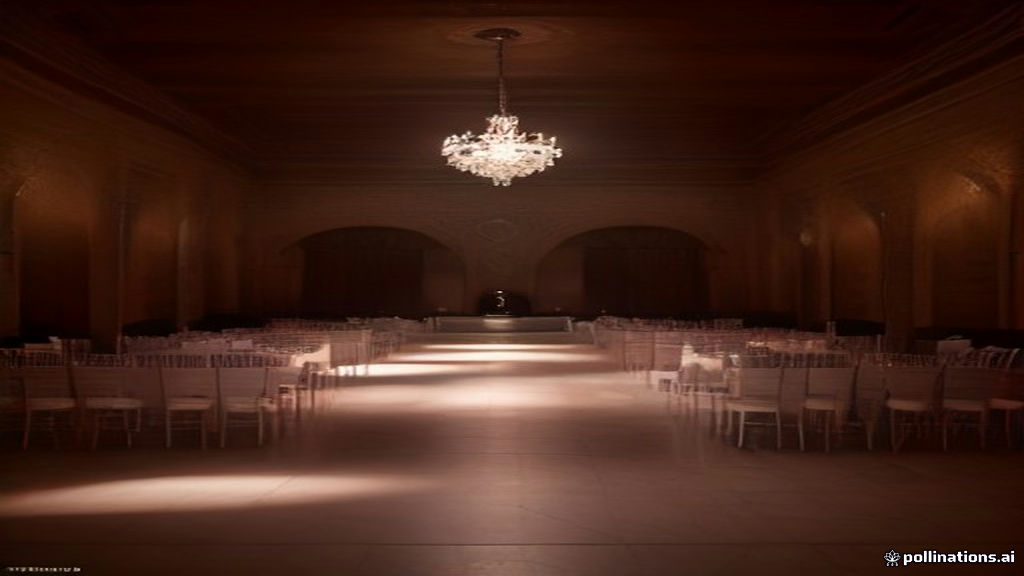
Drive forty-five minutes southeast of Beirut and the city gives way to pine forests, stone villages, and the kind of mountain light that makes every photographer's job easy. The Chouf has been hosting celebrations for centuries — Beiteddine Palace alone has stood since the early 1800s — and today its courtyards, boutique hotels, and converted silk houses are some of the most requested wedding settings in Lebanon. They're also some of the most demanding to get sound right in.
If you're planning a wedding in Beiteddine, Deir el Qamar, Moukhtara, or anywhere in the Chouf, here's what actually matters when you're booking a DJ.
Why the Chouf Is Different From a Faqra or Beirut Wedding
Mountain weddings aren't new to Lebanon's event calendar, but the Chouf brings its own character. This is Druze heartland — stone architecture, red-tiled roofs, centuries-old courtyards built for acoustics, conversation, and gathering, not for a 20,000-watt sound system. The venues here tend to be historic rather than purpose-built, which means every space behaves differently, and a DJ who's only ever played hotel ballrooms in Downtown Beirut or Dbayeh will be caught off guard.
Add in the altitude, the distance guests travel from Beirut, and the fact that a Chouf wedding often blends Druze and broader Lebanese traditions with the same dabke lines, zaffe entrances, and Arabic-Western crossover sets you'd hear anywhere else in the country — and you've got a celebration that needs both technical care and cultural fluency.
Stone Courtyards Are Beautiful and Unforgiving
A paved courtyard framed by stone walls looks incredible in photos. Acoustically, it's a trap. Hard surfaces reflect sound instead of absorbing it, which means a system that sounds clean in a hotel ballroom can turn muddy and echo-heavy the moment it's set up between two stone facades.
A few things I always check before a Chouf booking:
- Courtyard dimensions and surrounding structures. Enclosed stone spaces need directional speakers and careful placement, not just more volume.
- Where the dance floor sits relative to the walls. A few meters of adjustment can cut reflection dramatically.
- Whether delay towers are needed. Long, narrow courtyards or terraced gardens often need a second pair of speakers timed slightly behind the main system so guests at the back hear the beat in sync, not as an echo.
- Outdoor-to-indoor transitions. Many Chouf venues move guests from an open courtyard for the ceremony to a covered hall or tent for the reception — two completely different acoustic environments in one night.
Get this wrong and even a great set sounds like it's bouncing around a cave. Get it right, and that same stone courtyard becomes one of the best-sounding rooms you'll ever dance in — warm, present, and alive in a way no ballroom carpet ever manages.
Logistics: What a Mountain Venue Actually Needs From Your DJ
Beiteddine and its surrounding villages sit well above sea level, and the roads in are winding. That changes the planning conversation in a few practical ways:
- Load-in time matters more. A DJ driving up from Beirut needs a realistic window for traffic, elevation, and narrow village streets — not just the drive-time estimate on a map app.
- Power should never be an assumption. Historic venues weren't built with modern sound and lighting loads in mind. A backup generator, confirmed in advance, is standard practice for any serious mountain wedding in Lebanon, not an extra.
- Temperature swings. Chouf evenings cool fast once the sun drops behind the ridge, even in summer. That affects everything from guest comfort to how long an outdoor cocktail hour should realistically run before moving the party inside.
- Noise consideration for village neighbors. Unlike a resort strip, Chouf villages are residential. A good DJ coordinates volume and curfew expectations with the venue the same way they would for any neighbor-adjacent booking.
None of this is complicated if it's planned for. It becomes a problem only when nobody asks the questions until the week of the wedding.
Beiteddine Festival Season and Why Timing Matters
Beiteddine Palace has hosted Lebanon's summer arts festival for decades, drawing major regional and international performers to its courtyards. If your date falls near festival season, availability at certain venues tightens and logistics around the palace itself can get more complex. Couples planning a Chouf wedding in peak summer should lock in their venue — and their DJ — well before spring, the same way smart hosts in Beirut and Faqra book their big dates early.
Building the Set: Druze and Lebanese Traditions Together
Musically, a Chouf wedding usually follows the same emotional arc as a Beirut or Faqra celebration — zaffe entrance, dabke lines, a mix of Arabic classics and Western favorites, a late-night stretch that leans more club than ballroom. What changes is the texture. Mountain crowds tend to lean harder into dabke and tarab-adjacent classics early in the night before opening up to house and open-format sets later. Having a deep, well-organized library of dabke edits, Arabic remixes, and clean transitions between tempos matters more here than almost anywhere else I play.
That's part of why I keep my crates tightly organized year-round rather than scrambling before a booking — a dabke set that drags because the BPMs don't line up kills momentum fast in a courtyard where every guest is watching the floor. For DJs building out that kind of library, curated, DJ-ready packs from sites like TopDJCrates can be a useful shortcut for keeping a crate current without digging through years of inconsistent rips.
What to Ask Before You Book a Chouf Wedding DJ
- Have they played a stone courtyard or historic venue before, and do they understand delay towers and reflection?
- Can they confirm load-in time that accounts for mountain roads, not flat-city driving?
- Do they have a generator backup plan, or at minimum, a conversation with the venue about power?
- Can they build a set that moves fluidly between dabke, tarab, Arabic pop, and Western open-format without jarring BPM jumps?
- Are they comfortable coordinating with the venue on curfew and neighbor noise limits?
A Chouf wedding is one of the most memorable settings Lebanon has to offer — palace courtyards, mountain air, centuries of history under your feet. It deserves a DJ who treats the room as seriously as the romance.
I play weddings and private events across the Chouf, Beirut, Faqra, and Mar Mikhael, along with regular bookings in Doha and across the Gulf. If you're planning a celebration in Beiteddine, Deir el Qamar, or anywhere in the mountains, get in touch early — especially if your date falls near festival season. I'd love to help you build the night.