Warm-Up or Headliner? What Mar Mikhael's Clubs Really Need From Your DJ's Time Slot
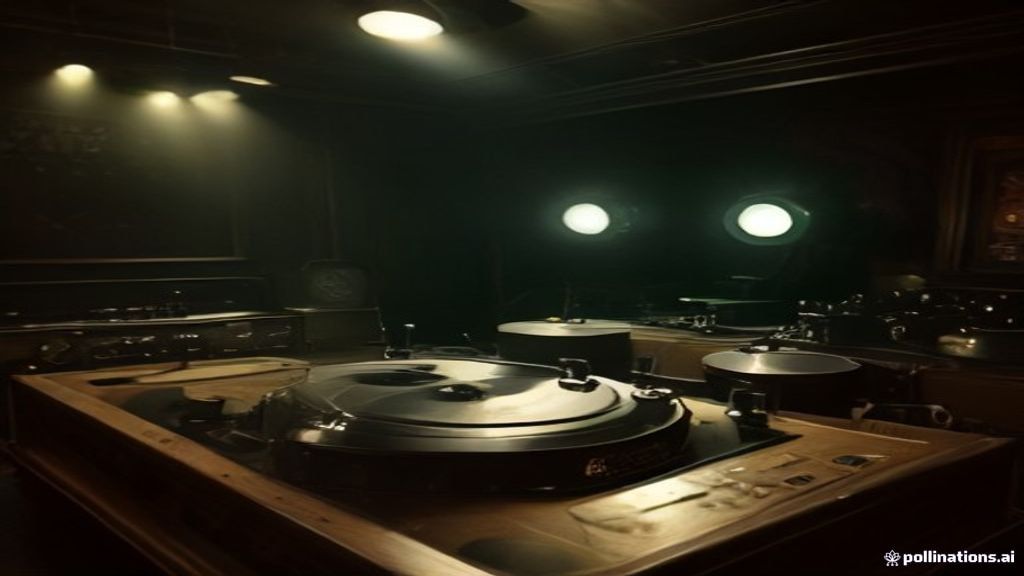
Walk down the main strip in Mar Mikhael on a Friday night and you'll hear the shift happen without anyone announcing it. Around 9pm the music is low and patient, built for people still ordering their first drink. By 1am it's a different room entirely. Same venue, same speakers, often a different DJ — and that's not an accident. Warm-up and headline sets are two different jobs that happen to use the same gear.
If you're booking a DJ for a club night, a private party, or even a wedding with a long after-party, understanding this split helps you ask the right questions and get the result you actually want.
What does a warm-up DJ actually do?
The warm-up slot is the hardest job in the club that nobody notices when it's done right. The goal isn't to impress — it's to build a floor that's ready to be filled.
A good warm-up set in Beirut usually means:
- Lower BPM, steady energy. Think mid-tempo house or classic disco and funk rather than anything peak-time. The room is still filling up, and the music needs to invite people in, not challenge them.
- No big drops saved for later. A warm-up DJ who burns the best record in the box at 10pm has made the headliner's job harder and the night shorter.
- Reading arrivals, not a packed floor. Early in the night you're reading couples at tables, groups still deciding where to sit, the first few dancers testing the room. It's a quieter kind of crowd-reading, but it still matters.
- Smooth, patient transitions. Long blends, careful key matching, nothing jarring. The warm-up set should feel like a gradual exhale after a day's traffic through Mar Mikhael or Gemmayze.
Done well, nobody remembers the warm-up DJ's name. They just remember the night felt good from the moment they walked in. That's the point.
Why the headline set gets all the attention — and why that's a mistake
The headliner inherits a room that's already warm, already a little loose, already dancing. That's a gift, but it's also a trap. A headline DJ who doesn't respect the energy that's been built can kill momentum in five minutes by jumping too far ahead of the crowd.
The real skill in a headline set is pacing the peak, not front-loading it. That means:
- Taking the temperature before pushing further. The first ten minutes of a headline set should confirm the room, not reinvent it.
- Saving the biggest records for when the floor is fullest. Whether that's a 90s anthem, a classic disco cut, or a current Afro house record, timing is everything.
- Managing the dip. Every long night has a lull — people step out, drinks run low, energy sags. A headliner who can read that dip and adjust, rather than panic and overcorrect, keeps the night alive instead of forcing it.
- Closing with intention. The last 30 minutes of a set tell the crowd how to feel about the whole night. A strong close matters as much as a strong peak.
This is where 25 years behind the decks changes how you hear a room. You stop thinking in individual tracks and start thinking in arcs — where the night has been, where it needs to go next, and how much runway is left before last call.
How residencies in Beirut and Doha split these roles
Club residencies — something I've talked about before in terms of what they mean for a DJ's set — often formalize this split. A venue running a resident program might book one DJ specifically for the opening hours and bring in a different name, sometimes a visiting or touring act, for the peak slot. Other nights, one DJ handles the whole arc solo, which is its own discipline: knowing when to hold back early so there's somewhere left to go later.
In Beirut's club scene, and increasingly in Doha and Dubai's resident DJ culture, this structure isn't about hierarchy. It's about respecting that a four or five hour night actually has distinct phases, and asking one person to perform all of them with equal energy usually produces a flatter night overall, not a better one.
What this means if you're booking for a private event
If you're planning a wedding, a corporate event, or a private party rather than a straight club night, the same logic applies — it just gets compressed. A wedding reception might only have three or four hours of music, but it still moves through warm-up, build, peak, and wind-down phases. A DJ who treats the whole night as one flat energy level, from the first course to the last dance, is missing the structure that makes a night actually land.
When you're talking to a DJ about your event, it's worth asking:
- How do they plan for the different phases of the night — arrival, dinner, dancing, closing?
- Do they build separate playlists or crates for each phase, or improvise the whole thing live?
- How do they handle the natural lull that happens an hour or two in, especially at longer Lebanese weddings that run past midnight?
Honestly organized DJs tend to keep their warm-up material and peak-time material in separate folders long before the event, built and rehearsed in Rekordbox or Serato rather than assembled on the fly. If you're a DJ reading this and want to start building that kind of structured, phase-specific crate, a resource like topdjcrates.com is a solid way to source curated, DJ-ready tracks organized by energy and genre rather than hunting one file at a time.
Booking in Lebanon and beyond
Whether it's a warm-up set for a private party in Faqra, a full night behind the decks in Mar Mikhael, or a headline slot for a wedding reception in Beirut, I plan every set with this arc in mind — not just a playlist, but a shape for the whole night. I'm based between Beirut and Doha and travel regularly across Lebanon and the Gulf for weddings, private parties, corporate events, and club bookings.
If you're planning an event and want music that actually builds through the night instead of peaking too early or never peaking at all, get in touch. I'm available for bookings across Lebanon, Doha, and worldwide.