Vineyard Weddings in the Bekaa Valley: Booking a DJ for Ksara and Kefraya
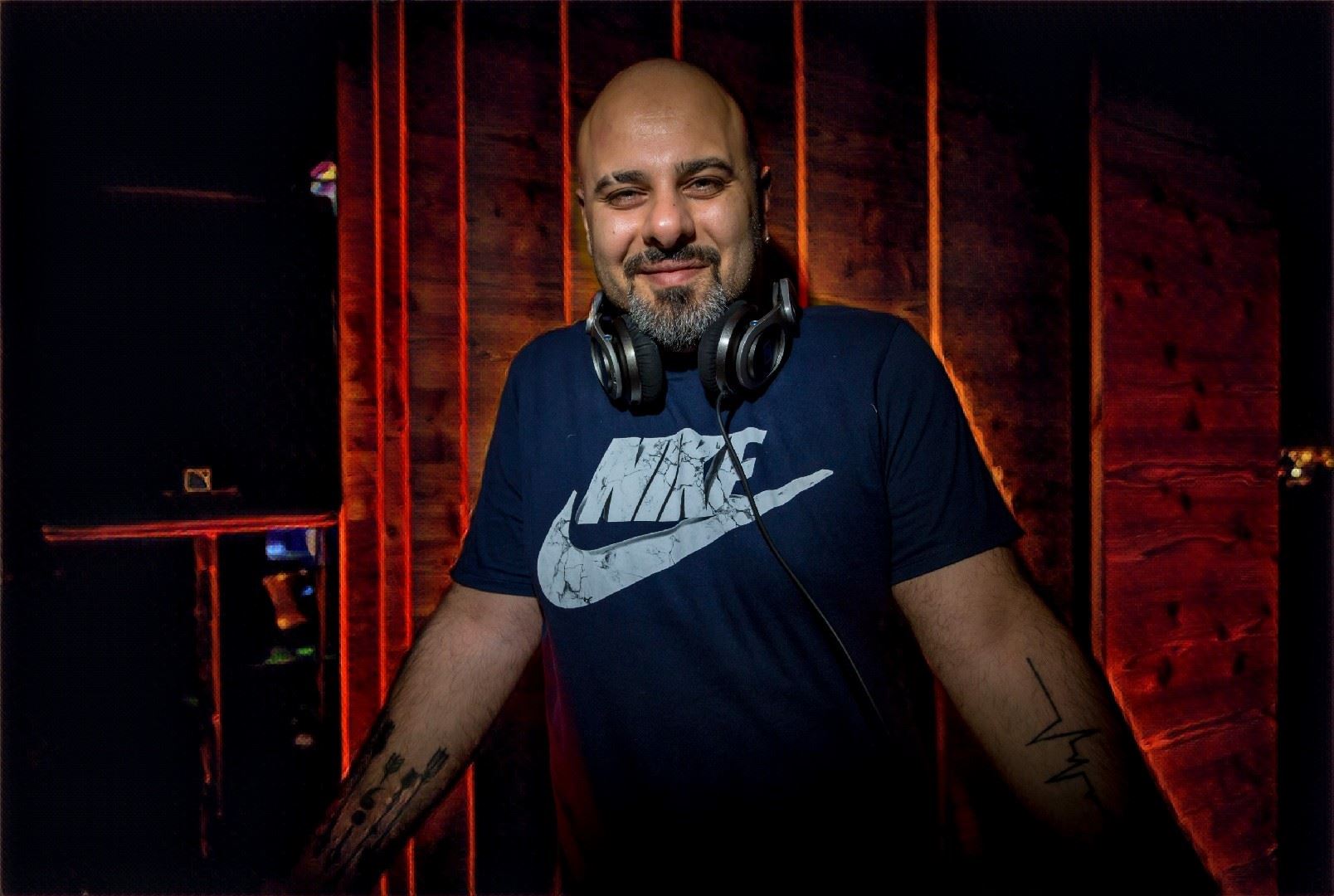
Every autumn, as the grape harvest wraps up in the Bekaa, I get calls from couples planning weddings at the valley's châteaux and wineries. Ksara, Kefraya, and the handful of estates around Zahle have quietly become one of Lebanon's most requested wedding settings — stone courtyards, vine rows at golden hour, mountain air once the sun drops. It's a beautiful setting. It's also one of the trickiest I work in, and most couples don't realize why until they're standing in the courtyard with their planner, pointing at where the dance floor should go.
Why vineyard weddings sound different from Beirut or Faqra
A ballroom in Beirut or a chalet in Faqra gives you walls. Walls hold sound in and give a DJ something to bounce energy off. A vineyard gives you none of that. Sound disappears into open air, farmland, and hillside almost as fast as it leaves the speaker. That's not a flaw in the venue — it's just physics, and it changes how I build the whole night.
Open-air sound needs more coverage, not more volume. The instinct is always to turn things up when a space feels empty. That's the wrong move. Pushing a single stack harder in open air creates distortion and uneven coverage — loud at the booth, weak forty feet out. The fix is proper distributed sound: delay towers or satellite speakers positioned so guests at the back of the dance floor hear the same clarity as guests up front, all without anyone standing near the DJ getting blasted.
What changes in the planning conversation
When a couple books me for Ksara, Kefraya, or one of the smaller family-run estates nearby, the production conversation starts earlier than it would for a city venue. A few things I always walk through:
- Power source and distance from the booth to the outlet. Many vineyard courtyards weren't built with event power in mind. Knowing the generator or supply situation in advance avoids a scramble on the day.
- Where the ceremony, cocktail hour, and reception each sit relative to each other. Vineyard layouts are often spread across multiple areas, which means multiple sound zones rather than one continuous system.
- Wind direction at sunset. It sounds minor until you're out there. Evening wind off the hills can carry or kill sound depending on speaker placement, and it shifts as the temperature drops.
- Curfew and noise agreements with neighboring estates. Rural venues often have different sensitivities than a city club, and sound ordinances in winery regions can be stricter than people expect.
- A backup indoor space or tent plan, because Bekaa weather in shoulder seasons can turn fast.
None of this is unusual for anyone who has produced outdoor events in the Gulf's summer heat or coordinated load-in around Beirut traffic — it's the same discipline, applied to a different set of variables.
Programming the set for a valley, not a ballroom
The music itself shifts too. A vineyard wedding tends to draw a mixed-generation crowd who came for the setting as much as the celebration, and the energy curve has to respect that landscape. Cocktail hour among the vines calls for something warm and unhurried — think the same chilled, open-format instinct I'd use for a rooftop set in Doha, built around texture rather than BPM. As dinner wraps and the group moves toward the dance floor, that's when I start layering in the familiar Lebanese and Arabic staples, dabke rhythms, and the 70s, 80s, and 90s records that never fail a Lebanese crowd regardless of the venue.
The dance floor itself usually sits in the open, which means reading the crowd without the visual and acoustic cues a closed room gives you. No walls to reflect the bass back, no ceiling to hold the energy in. You read body language, you read who's drifting toward the edges of the light, and you adjust in real time. It's the same muscle I use reading a room in Beirut or Mar Mikhael — just with a wider radius and fewer architectural shortcuts.
Does a vineyard wedding need different gear?
Mostly, yes. A controller-and-laptop setup that works fine in a tight bar in Mar Mikhael isn't enough for a vineyard reception with 150 to 300 guests spread across an open courtyard. I'll typically run dual CDJs off Rekordbox for reliability, paired with a sound engineer handling the distributed PA, because outdoor jobs are where equipment redundancy actually earns its keep. If there's a cocktail hour happening simultaneously with vendor setup on the reception side, that's two separate sound zones running off the same music program, synced so nobody walks from one into a jarring transition.
A quick checklist before you book a vineyard date
If you're planning a wedding at one of the Bekaa estates, a few questions worth asking your DJ or production team up front:
- Has the DJ or sound company worked an outdoor vineyard layout before, specifically with multiple zones?
- Who provides the delay towers or satellite speakers, and is that included in the quote or a separate line item?
- What's the generator or power backup plan if the venue's supply is limited?
- Is there a documented curfew, and what's the plan if weather pushes the ceremony later?
- Does the quote include a site visit before the wedding date?
That last one matters more than people think. A walk-through of the actual courtyard, a week or two out, tells you more about what the night will sound like than any phone call.
Bringing it back to the booking
Vineyard weddings in the Bekaa are some of the most rewarding events I play — the setting does half the work, and when the sound is handled properly, the rest takes care of itself. It's a different production puzzle than a ballroom in Beirut or a chalet in Faqra, but it's one I plan for from the first conversation, not the week of.
I'm based between Lebanon and Doha, and I travel for weddings, private parties, and corporate events across both. If you're planning a celebration at Ksara, Kefraya, or anywhere else off the usual map — in the Bekaa, in Faqra, on the coast, or across the Gulf — get in touch early. The earlier we talk production, the better your night sounds.