Twenty Years, One Hard Drive: How a DJ Organizes a Music Library for Every Doha Party
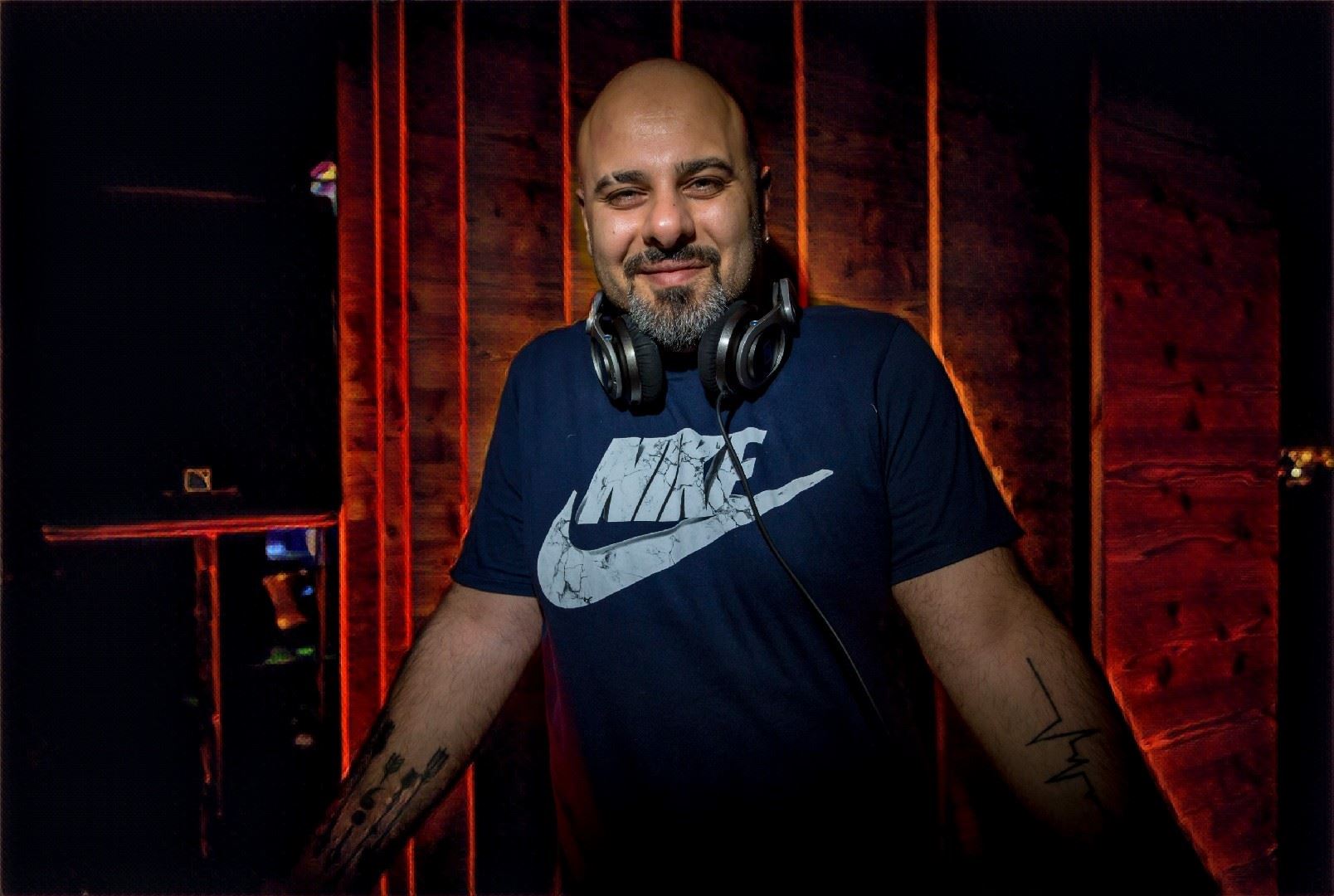
How many songs does a professional DJ actually own?
People ask me this more than almost anything else. The honest answer, after 20 years behind the decks: it's not really about the number. I've got tracks going back to disco and early house, through 90s club records, into whatever dropped on Beatport last week. What matters isn't the size of the collection. It's whether I can find the right track in the two seconds I have to find it, mid-set, with a dance floor watching.
That's the part nobody sees. A private party DJ in Doha isn't just picking songs the night before. They're maintaining a living library that has to work under pressure, every single time.
Why library organization matters more than gear
You can hand two DJs the same pair of Pioneer CDJs and the same Rekordbox license, and one of them will read a room beautifully while the other stalls out searching for a track. The difference is almost never the hardware. It's preparation.
A well-organized library means:
- You can pivot instantly when a bride asks for a Fairuz classic after the zaffe.
- You can drop a 90s Arabic pop record right after a Bee Gees cut without breaking stride.
- You know the key and BPM of everything you own before you ever load it into a deck.
- You're not scrolling through unlabeled folders while a corporate crowd in Doha waits for the room to lift.
None of that happens by accident. It's built track by track, over years.
How DJs actually structure their crates
Every DJ develops their own system, but most professional libraries share a similar backbone. Mine is organized in layers:
- Genre and era first — 70s disco and funk, 80s new wave and Italo, 90s house and R&B, and then everything current, split by style.
- Occasion tags — wedding-safe, club-only, lounge/arrival, sunset/yacht, corporate-clean. A track can live in more than one tag.
- Key and BPM, tagged before the gig — not guessed live. Rekordbox and Serato both analyze this automatically, but I always double-check by ear, because software gets key detection wrong often enough to matter.
- "Weapons" playlist — the handful of tracks in every genre that almost never miss. Every DJ has one. Mine changes slowly, which tells you something about how good those records really are.
- Regional folder — Arabic, Lebanese, Khaleeji, and broader Gulf tracks organized separately, because reading a mixed Arabic-Western crowd in Beirut or Doha means moving between these worlds smoothly, not awkwardly.
This structure is what makes harmonic mixing possible in real time. If you already know a track sits at 8A and 124 BPM, you're not doing math on the fly — you're just choosing the next record from a shortlist that already fits.
Digital library, but vinyl instincts
I still think like someone who grew up on vinyl, even though almost everything I play today is digital. Crate-digging was a discipline. You had a finite number of records, so you knew every one of them intimately — how it started, where the breakdown hit, whether the crowd would need eight bars of build-up or four.
Digital libraries can lose that discipline because storage is basically infinite. The trap is collecting thousands of tracks and knowing none of them well. The DJs who read a room best are usually the ones who treat their digital library with the same respect crate-diggers gave a stack of records — fewer tracks known deeply, rather than endless tracks known vaguely.
Where does a DJ actually source new tracks?
Between commercial releases, remix pools, and the crate-digging that never really stops, building a library is ongoing work. For DJs who want curated, DJ-ready material without spending hours hunting down clean versions and proper WAV files, a resource like Top DJ Crates is worth knowing about — it's built around exactly that problem, giving DJs pre-organized packs instead of a folder full of inconsistent rips.
However you source tracks, the discipline afterward is the same: tag it, key it, file it, test it out on an actual crowd before you trust it in a big moment.
What this means if you're booking a DJ in Doha
If you're planning a wedding, a private party, a yacht event, or a corporate function anywhere in Qatar, this is really what you're paying for when you book an experienced DJ. Not just the night itself, but the years of library-building that let someone read your specific crowd and pull the right record at the right second.
A few questions worth asking any DJ before you book them, whether you're in Doha, Dubai, or Beirut:
- Do you tag and organize your library yourself, or rely entirely on auto-analysis?
- Can you move between Arabic and Western tracks without a jarring gap?
- Do you have era-specific depth — 70s, 80s, 90s — or mostly current chart tracks?
- How do you prepare a set differently for a wedding versus a club night versus a lounge?
The answers tell you a lot about how the night will actually feel, long before the first track drops.
Booking Tony Schwery
I'm based in Doha and available for private parties, yacht parties, weddings, corporate events, club residencies, studio sessions, and collaborations across Qatar, the UAE, Lebanon, and the wider Gulf. Twenty years of building this library, one track at a time, is exactly what shows up on your dance floor. If you're planning an event and want a set that actually reads the room, get in touch and let's talk about your date.