Sunset Lounge Sets: How a DJ Programs Chill-Out Music for Rooftop Bars in Doha and Dubai
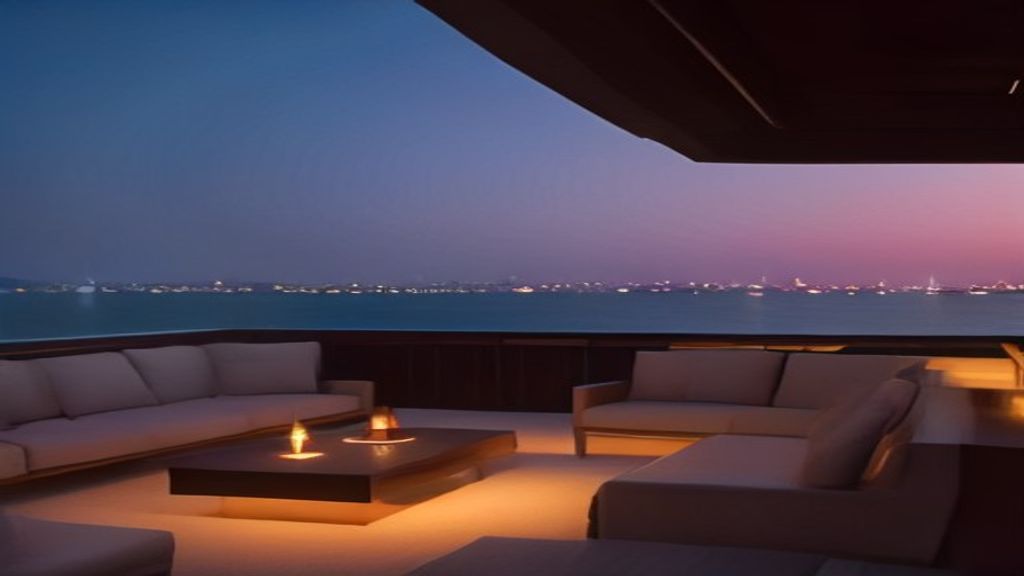
Ask a DJ to play your rooftop terrace and then ask the same DJ to close out a club night, and you're asking for two different skill sets. The tempo is different. The volume is different. The whole job is different. In Doha and Dubai, where rooftop bars, beach lounges and hotel terraces have become some of the busiest bookings on the calendar, understanding that difference is what separates a set that works from one that empties the room by 9pm.
What makes a lounge set different from a club set
A club set is built to move a crowd that's already there to dance. A lounge set is built to hold a crowd that's there to talk, drink, watch the sunset and slowly decide whether to stay. The DJ's job in that setting isn't to peak the energy — it's to manage a ceiling.
A few things change immediately:
- BPM range drops. Where a club set might sit at 122-128 BPM, a sunset lounge set often lives in the 100-118 range — deep house, nu-disco, downtempo, Balearic cuts, and edits that groove without demanding attention.
- Vocals get used differently. Big vocal hooks that work on a dance floor can feel intrusive over conversation. Instrumentals, dubs and stripped mixes do more work here.
- Transitions get longer and softer. Nobody notices a perfect 32-bar blend at a lounge. They notice a jarring one. Smooth, unhurried mixing matters more than technical flash.
- Volume is a conversation, not a wall of sound. The room should still be able to talk over the music at 7pm, even if it's built up by 11.
Reading a rooftop crowd through the evening
A rooftop or terrace booking in Doha or Dubai usually runs through at least three distinct moods in a single night, and the set has to move through all of them without anyone noticing the gears change.
Early evening is business dinners, first drinks, couples watching the light change over the skyline or the water. This is the lowest-energy part of the night — warm, textured, unobtrusive. Think classic Balearic and soulful house, the kind of record you'd expect from a golden-era Ibiza sunset session.
Mid-evening is when the room fills, drinks land, and conversation gets louder. This is where a DJ can start layering in groove — more rhythm, a touch more low end, tracks with a bit more forward motion, without crossing into full dance-floor energy.
Late night is the pivot point. Some rooftop venues want to hold the lounge mood right through closing. Others want a clear signal that the night is shifting toward a dance floor, indoors or at a different venue entirely. Knowing which one your venue wants — and briefing the DJ on it in advance — is one of the most overlooked parts of booking lounge entertainment.
Building a library for lounge work
A working DJ can't build a lounge set from a club-focused library and hope for the best. It takes a separate, deliberately curated crate — organized by mood and tempo rather than just genre — so the right record is one click away instead of a search away mid-set. Over 20 years, that library becomes as much a part of the job as the gear itself: tracks tagged by energy level, key, era, and whether they work better with a beach breeze behind them or a skyline in front of them.
For DJs building or refreshing that kind of curated collection, sourcing clean, DJ-ready WAV packs from a source like topdjcrates.com is a genuinely useful shortcut — it saves the hours normally spent hunting down properly mastered edits and lets the time go into actually organizing the set instead.
What venues should think about for outdoor lounge sound
Rooftop and terrace bookings in the Gulf come with a few practical considerations that indoor club nights don't:
- Wind and open air change how sound travels. A system that sounds full indoors can feel thin outdoors — outdoor-rated speakers and proper coverage matter more than raw volume.
- Sunset timing shifts by season. In summer, that golden hour lands much later than in winter, which changes when the "quiet" portion of a set needs to run.
- Noise ordinances and neighboring guests matter. Many hotel terraces and beach clubs in Doha and Dubai have volume caps tied to nearby rooms — worth confirming before finalizing a set list heavy on bass-driven tracks.
- A DJ needs sightlines, not just sound. Reading a rooftop room means watching body language across an open, often multi-level space — booth placement affects how well that actually works.
Is a lounge DJ different from a wedding or club DJ?
Not a different person, necessarily — but a different mode. The best DJs for this kind of work are the ones who've spent real time programming across formats: weddings, private parties, yacht bookings, and club residencies all demand slightly different instincts, and lounge work borrows from all of them. It rewards someone who can read a room that isn't dancing yet and knows exactly which record moves it one notch closer without breaking the mood.
That's the appeal of rooftop and terrace bookings for a DJ with decades across genres — 70s soul cuts sit next to modern deep house, and a Beirut-style groove can slide comfortably next to a Balearic classic, because the whole point is taste and pacing, not just track selection.
Booking lounge entertainment in Doha, Dubai or beyond
Rooftop terraces, beach lounges, hotel bars, and private residence gatherings across Doha, Dubai, Abu Dhabi and Beirut all call for this same set of instincts — reading a room that's easing into a night rather than jumping straight into one. I've spent 20 years building the kind of library and ear that this format demands, across labels, decades and formats.
If you're planning a rooftop event, sunset lounge session, private party, or anything that needs music handled with restraint as much as skill, I'm based in Doha and available for bookings across Qatar, the UAE, Lebanon and the wider Gulf. Get in touch and let's talk about what your evening actually needs.