Studio to Set: How a Dance Track Actually Gets Made, Mixed, and Released
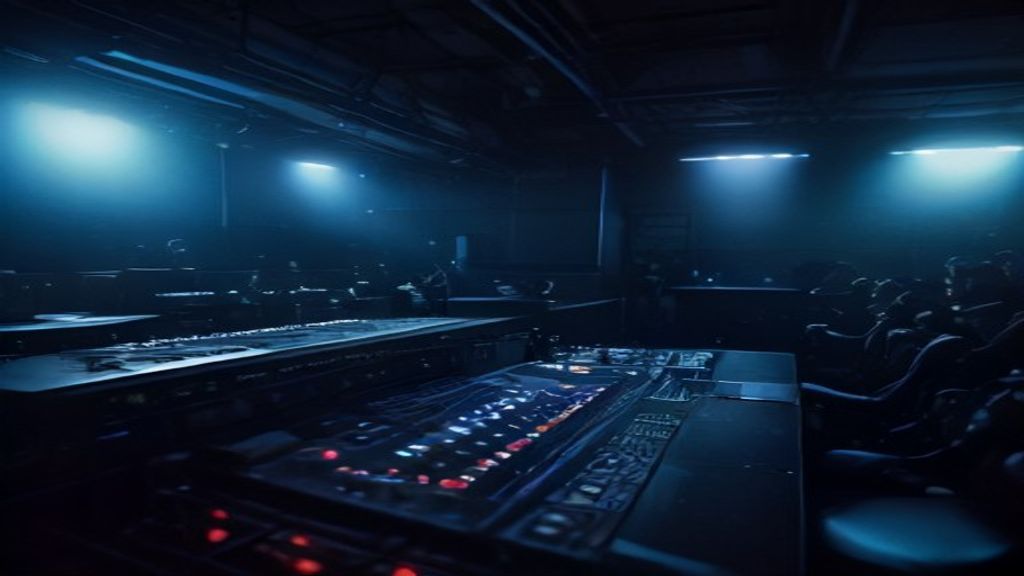
People ask me what I do more than DJ. The honest answer: I spend a lot of quiet hours in a studio before anyone hears a beat in a club. Playing a set in Doha or Dubai is the visible part. Building a track that ends up on a label is the part nobody sees, and it's just as much a discipline as reading a room at 1am.
Here's what that process actually looks like, and why it matters even if you're only booking a DJ for a wedding or a private party.
How does a dance track actually get made?
A track rarely starts as a full song. It starts as one idea — a chord loop, a vocal chop, a bassline that feels right at a specific BPM. From there, the process is less "inspiration" and more construction:
- Sketch the idea. A short loop, usually 8 to 16 bars, built in a DAW to test whether the groove holds up on repeat.
- Arrange the structure. Intro, build, drop, breakdown, outro — arranged with DJ use in mind, so there's a clean mix-in point and a clean mix-out point.
- Sound design and layering. This is where hours disappear. Every kick, hat, and synth gets shaped until the track has its own identity instead of sounding like a preset pack.
- Mixdown. Balancing every element so nothing fights for the same frequency space — critical on a big club system where a muddy low end will kill a dance floor fast.
- Mastering. The final polish that makes a track translate across everything from AirPods to a Void or Funktion-One rig.
- Test on real gear. Before a track goes anywhere, it gets loaded into Rekordbox or Serato and played against other records, at real volume, to hear how it actually behaves in a set.
That last step is the one most bedroom producers skip, and it's the one that separates a track that sounds good in headphones from one that actually works on a dance floor in Doha or Beirut.
What does a label actually look for?
Labels like Inkognito Records, Sensual Ibiza, and Blackhole Records — the labels I've released on over the years — aren't looking for a perfect song. They're looking for a track that does something specific: a groove that works for a warm-up set, a peak-time energy lift, a sunset record for a rooftop in Dubai. Every label has a sound and a slot it's trying to fill in a DJ's crate.
That means a producer has to think like a DJ before they even finish the arrangement:
- Will this mix in cleanly at 122–126 BPM, or is it built for a slower, more melodic set?
- Does the breakdown give a DJ room to build tension, or does it just repeat?
- Is there a clean instrumental section a DJ can use to blend in and out without vocals clashing?
Producers who ignore these questions end up with tracks that sound finished but never actually get played. Producers who understand the DJ side build records that get requested for years.
Why production makes you a better DJ
Twenty years behind decks changes how you hear a track you're producing, and producing changes how you play a set. Once you've spent a night arranging a breakdown, you notice exactly where another producer built their tension and release. You start reading a track's structure the way a mechanic reads an engine — not just enjoying the ride, but understanding why it works.
This is also why I still build sets from a mix of my own productions, classics from the 70s, 80s, and 90s, and current records. A set built entirely from other people's tracks can feel generic. A set that includes something you produced yourself, tested, and refined has a signature to it — and that's usually what a client remembers after their event.
What this means if you're booking for an event
You might be planning a wedding in Beirut, a corporate launch in Abu Dhabi, or a private party in Doha, and none of this feels directly relevant. But it is. A DJ who understands how a track is actually built reads a crowd differently. They know when a record is about to peak because they've built records that peak. They know how to extend a moment because they've spent hours inside a breakdown deciding exactly how long to hold it.
It's also why studio sessions and collaborations are part of what I offer alongside DJ bookings. Sometimes a client wants an original edit of a track for their first dance. Sometimes another producer wants to collaborate remotely from Beirut, London, or Dubai. The same studio discipline that goes into a label release goes into that custom work too.
Building a library that actually works
Whether you're producing your own material or curating tracks for a set, the goal is the same: a library organized around energy, key, and BPM, not just genre folders. If you're a DJ working on your own crate and want a head start on production-quality material to build around, curated, DJ-ready WAV packs from a resource like Top DJ Crates can save hours of sourcing and cleaning up files that aren't mix-ready.
Booking
I'm based in Doha and available for DJ bookings, studio sessions, and production collaborations across Qatar, the UAE, Lebanon, and the wider Gulf — private parties, yacht parties, weddings, corporate events, and club residencies. If you want a set built with the same care that goes into a studio release, or you're a producer looking to collaborate, get in touch and let's talk about what your event or your track actually needs.