Should Your DJ Also MC the Wedding? The Microphone Question for Beirut and Faqra Receptions
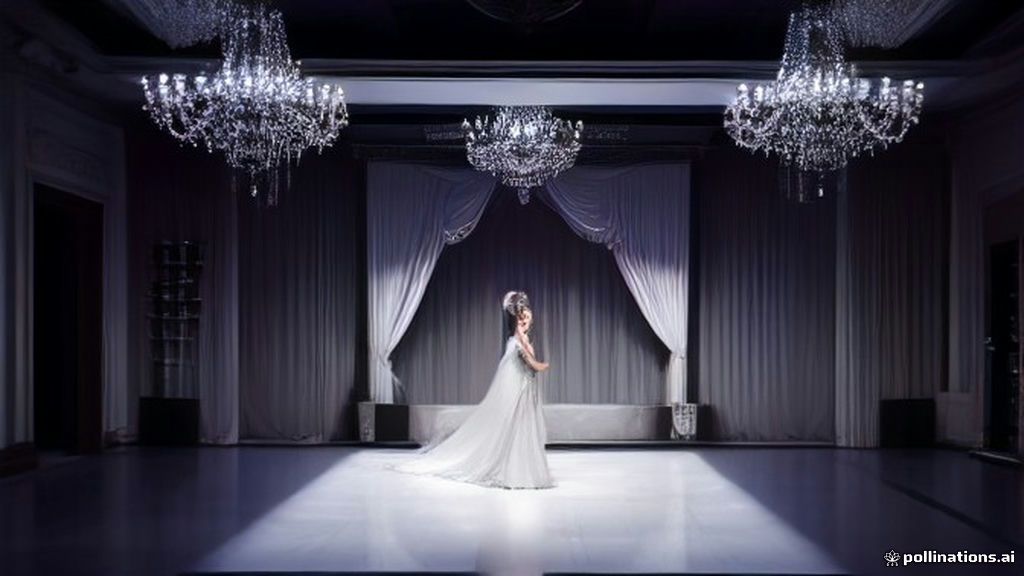
Every couple planning a wedding in Beirut or Faqra eventually asks me the same question: should the DJ also run the microphone?
It sounds like a small detail. It isn't. Who holds the mic decides how your entrance lands, how the room reacts to the father-daughter dance, and whether your zaffe transitions smoothly into the first dance or stalls out while someone fumbles for the right words. Get this wrong and even a great playlist feels disorganized. Get it right and the whole night flows like it was scripted — because, in a sense, it was.
What "MC" actually means at a wedding
The MC is the voice guests hear between songs. That's the person who announces the wedding party, calls the couple to the floor for their first dance, invites guests to the buffet, and keeps the schedule moving without it feeling like a schedule at all. It's a different skill from selecting music. A good MC reads the room's mood through a microphone the same way a DJ reads it through a mixer — timing, tone, and knowing when to say less.
In Lebanon, this role gets filled a few different ways:
- The DJ does both — mixing music and handling all announcements from the booth.
- A dedicated host or MC works the floor with a handheld mic while the DJ focuses purely on the sound.
- A wedding planner or coordinator makes key announcements, and the DJ supports with music cues only.
- A family member gives toasts and speeches, with the DJ managing everything else.
None of these is automatically correct. The right setup depends on your venue, your guest list, and how much of your night is Arabic tradition versus a Western-style reception.
When one DJ-MC works best
For most Lebanese weddings — whether it's a hotel ballroom in Beirut or a chalet in Faqra — having the DJ handle both music and microphone is the simplest and most reliable option. Here's why:
- Timing stays tight. The person reading the room's energy is the same person calling the next moment, so there's no gap between "it's time for the first dance" and the first dance actually starting.
- Fewer people to brief. Instead of coordinating a DJ, a separate host, and a planner on cue timing, you're coordinating with one person who already has the run-of-show memorized.
- Smoother zaffe-to-reception transitions. The zaffe builds its own energy with drums and dabke rhythm. A DJ who's also holding the mic can drop straight from that into music without a dead pause while a host finds their mark.
- Lower cost. You're not paying for two separate entertainment lines on your vendor invoice.
This is how I run most of the weddings I play across Beirut and Faqra. Clients get one point of contact who knows the schedule, the family's pronunciation of names, and exactly when to bring the energy up or let it settle.
When a separate MC makes sense
There are real cases where splitting the roles is the better call:
- Large weddings with heavy speech programs. If you've got a long sequence of toasts, father-of-the-bride remarks, and multilingual blessings, a dedicated host can manage that flow while the DJ stays fully focused on sound and transitions.
- Formal, traditional families who want a more ceremonial tone to announcements — a trained host with a specific style of delivery.
- Multi-vendor productions with live bands, stage changes, and complex lighting cues, where one person is needed purely to keep the schedule on track between entertainment acts.
If you go this route, the DJ and MC still need to rehearse the handoffs together beforehand. Nothing kills momentum faster than the host calling for a song that isn't cued, or the DJ fading out before an announcement is finished.
Questions to ask before you decide
When you're interviewing wedding DJs in Beirut or Faqra, ask directly:
- Do you handle microphone announcements, or do you expect a separate host?
- Can I hear a sample of your announcement voice and style, not just your mixing?
- How do you coordinate timing with the wedding planner on the day?
- What languages do you announce in — Arabic, French, English, or a mix, matching how the night itself will run?
- What happens if a speech runs long — how do you adjust the music cues on the fly?
A DJ with 25 years in Lebanese weddings has usually built a instinct for reading when a toast needs music under it to land softly, and when the room needs silence. That instinct is worth more than any script.
Faqra and mountain weddings add their own wrinkle
Outdoor venues in Faqra come with wind, open-air acoustics, and guests spread across a terrace rather than packed around one dance floor. A single DJ-MC who controls both the sound system and the microphone can adjust volume and tone in real time as the crowd moves — something that's much harder to manage across two separate people and two separate conversations with the sound engineer.
Bringing it back to your night
There's no universal right answer here — only the right answer for your wedding. A tight, modern reception in Beirut might run perfectly with one DJ handling everything. A large, tradition-heavy celebration in Faqra with an extended speech program might benefit from splitting the roles. What matters is deciding early, so your DJ, planner, and family know exactly who's holding the microphone at every moment of the night.
I play weddings, private parties, and club nights across Beirut, Faqra, and Mar Mikhael, and I travel regularly for bookings in Doha, Dubai, and across the Gulf. If you're planning your reception and want to talk through how the night should actually run — music, microphone, and everything in between — get in touch and let's build it together.