Rain or Shine: Building a Weather Backup Plan for Your Beirut or Faqra Wedding
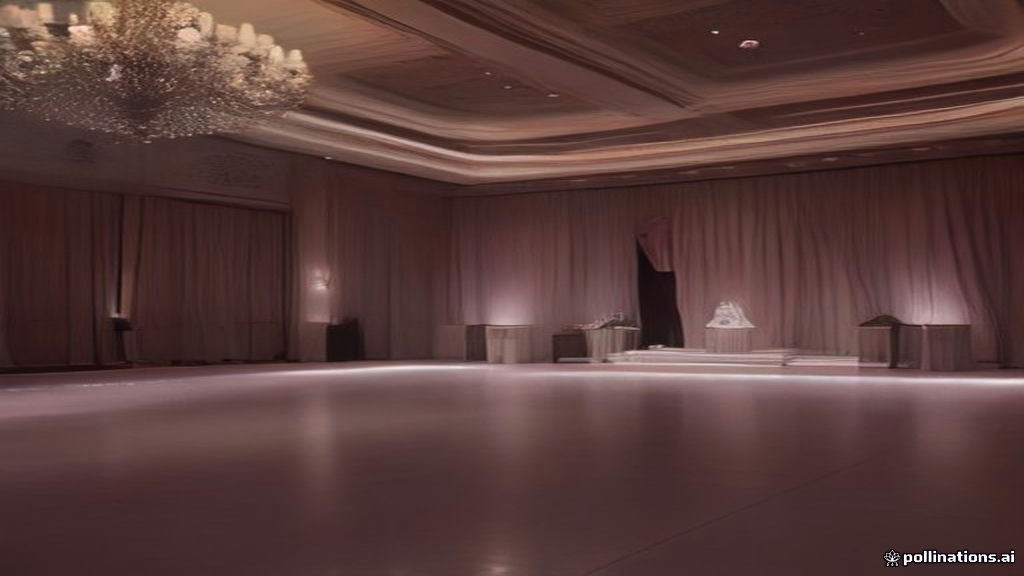
Every November, the same conversation happens between Lebanese couples and their planners: the venue looks perfect in the photos, the date is locked, and then someone checks the forecast two weeks out and panics. Faqra fog rolls in fast. Beirut gets sudden downpours between long dry stretches. And if you're planning around the Gulf instead, you're watching for shamal winds rather than rain — but the underlying problem is the same. Weather doesn't care about your seating chart.
After 25 years of setting up in gardens, rooftops, mountain chalets, and open-air clubs, I've learned that the difference between a wedding that survives bad weather and one that falls apart isn't luck. It's preparation. Here's what that actually looks like.
Why November Is the Riskiest Month for Outdoor Events in Lebanon
Lebanon's dry season stretches roughly from June through September, which is exactly why summer owns the wedding calendar. By late October and into November, that window closes. Mountain towns like Faqra and Broumana see temperature swings, early fog, and the first real rain of the season — sometimes with little warning. Coastal Beirut can still deliver a warm, clear evening, but it can also deliver a storm that rolls in off the Mediterranean with a few hours' notice.
This is exactly why autumn weddings need a real contingency plan, not just an optimistic glance at the sky the morning of.
What a Real Weather Backup Plan Covers
A backup plan isn't "move the tables inside if it rains." It's a full second version of your run-of-show, agreed on in advance by every vendor, so nobody is improvising at 6pm with guests already arriving.
Here's what I ask hosts and planners to lock down before I confirm a booking for an outdoor date in shoulder season:
- A covered or indoor alternative at the same venue. Not a different venue across town — something walkable, ideally already set up, so guests don't notice a scramble.
- A power source that works in both scenarios. Outdoor power runs and indoor power runs are rarely identical. I need to know both before the day, not during it.
- A decision deadline. Someone — planner, venue manager, or family point of contact — needs the authority to call it by a specific time, usually three to four hours before guests arrive. Indecision costs more than the wrong call made early.
- Protected gear placement. CDJs, mixers, and speakers do not like humidity or direct rain. If there's any real chance of weather, my setup needs cover regardless of what the rest of the event does.
- A flexible soundcheck window. If we're moving equipment between two spaces, soundcheck needs to happen in the final location, not the one we hoped to use.
Faqra Weddings: Mountain Weather Moves Fast
Faqra deserves its own mention because its weather behaves differently than Beirut's. Altitude means fog can roll through a valley in twenty minutes and clear just as fast. I've done sound checks under a clear sky at 4pm and watched visibility drop to almost nothing by 6. For a wedding DJ in Faqra, this means the gear always goes under cover first, cables are routed to stay dry regardless of forecast, and I build my set list knowing the first hour might be spent watching a chalet fill up slowly while guests wait out a shower in the lobby.
The couples who handle this best are the ones who picked a venue with a genuine indoor option from day one — not a tent thrown up as an afterthought. A tent helps with light rain. It does very little against mountain wind.
What This Looks Like in Beirut and Mar Mikhael
Beirut weddings and private parties are usually less exposed than mountain ones, but rooftop and garden venues around the city still need a plan. Mar Mikhael's bar scene is almost entirely indoor, which is part of why it stays reliable through the shoulder season — it's one reason venues there keep their calendars full into November while open-air spots slow down. If you're booking a DJ in Beirut for an outdoor reception, ask the venue directly how many hours' notice they need to flip to their indoor space, and get that number in writing, not just a verbal assurance.
The Gulf Version of This Problem
If you're planning in Doha or Dubai instead, rain is rarely the issue — but wind is. Shamal winds can pick up suddenly, especially in shoulder seasons, and they're brutal on outdoor sound and lighting rigs. Open-air lounges and yacht parties need the same discipline: a covered equipment position, a wind-rated stand for any speaker not already load-bearing, and a plan for guests if an outdoor space becomes genuinely unusable for a few hours. The principle carries across the region even when the weather pattern doesn't.
Questions to Ask Before You Book an Outdoor Date
If you're planning any outdoor event between late October and March in Lebanon, or during shoulder-season wind patterns in the Gulf, ask your venue and your vendors these before you sign anything:
- What is the covered or indoor alternative, specifically — not "we'll figure something out"?
- Who makes the call to switch, and by what time?
- Is there power and cable routing already in place for both setups?
- Does the DJ's gear have cover regardless of the final decision?
- What happens to catering, lighting, and florals if the switch happens with only an hour's notice?
If any vendor can't answer these clearly, that's worth knowing before the deposit, not after.
Booking With Someone Who's Set Up in Every Condition
None of this is about predicting the weather perfectly — nobody can. It's about making sure a sudden change doesn't become the story of your wedding or your event. I've played through fog in Faqra, sudden rain in Beirut gardens, and wind off the Gulf that tested every stand I own. The setup changes. The night still runs.
I'm based in Doha and play regularly across Lebanon — Beirut, Faqra, Mar Mikhael — with bookings across the wider Gulf as well. If you're planning an outdoor wedding or private event this season and want a DJ who treats the backup plan as seriously as the main one, get in touch and let's build your run-of-show properly, rain or shine.