Powering the Party: What Lebanon's Electricity Reality Means for Booking a DJ in Beirut, Faqra or Mar Mikhael
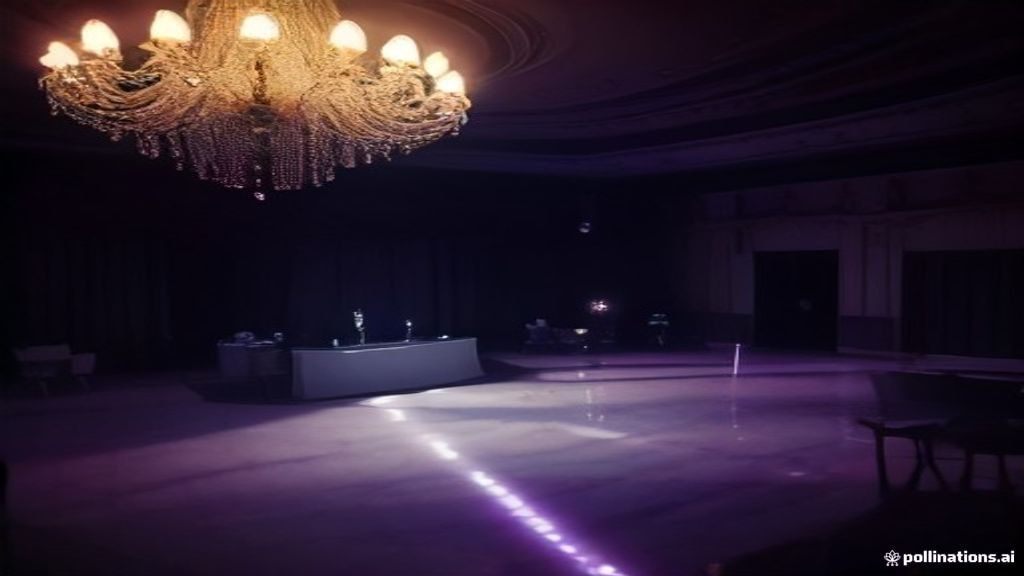
Every market I play has its own logistics puzzle. In Doha it's heat. In Dubai it's permits and curfews. In Lebanon, it's power. If you're planning a wedding in Faqra, a private party in Beirut, or booking a night out in Mar Mikhael, the single most underrated question you can ask any vendor — DJ, sound company, lighting crew — is simple: where is the electricity actually coming from tonight?
I've built sets around every kind of crowd in every kind of venue. But nothing tests a rider like Lebanon's grid. Get the power plan wrong and it doesn't matter how good the playlist is.
Why power stability actually matters for a DJ set
A modern DJ setup isn't just two speakers and a laptop. On a typical night I'm running Pioneer CDJs, a digital mixer, a laptop with Rekordbox or Serato, monitor wedges, a full PA, and often a VJ rig for live visuals. All of that gear is sensitive to clean, consistent power.
Here's what happens when power isn't stable:
- Brownouts drop the mixer or CDJs mid-track, which on a dance floor at peak energy is the worst possible moment for silence.
- Voltage spikes when generators switch on or off can damage sensitive electronics — mixers, controllers, and amps are not cheap to replace on the spot.
- Unstable power throws off sync between the audio and VJ visuals, so screens stutter or lag even if the sound holds.
- Laptops and CDJs restart if power cuts hard enough, and a restart mid-set means dead air while the whole booth reboots.
None of this is theoretical in Lebanon. It's the reality every DJ, sound engineer, and lighting tech here has learned to plan around.
The Lebanese context: why this city runs differently
Lebanon's national grid has been unreliable for years, and most venues — from Beirut apartments to Mar Mikhael bars to mountain properties in Faqra — have adapted by running on private generator subscriptions, in-house generators, or a mix of both alongside state power. That adaptation is now just part of how the country operates. For events, it means the question isn't "will the power go out" — it's "who is managing the switch when it does."
A serious venue in Beirut or Mar Mikhael will already have this solved: a dedicated generator, a stable line for sound and lighting, and staff who know the switchover timing. A private villa in Faqra hosting a wedding might not — and that's exactly where things go wrong if nobody asks the question early.
What I ask before every Lebanon booking
Before I confirm gear for a wedding in Faqra, a club night in Mar Mikhael, or a private event in Beirut, I want answers to a short list of questions:
- Is the venue on generator power, grid power, or both, and how does the switch happen?
- Is there a dedicated, isolated circuit for sound and lighting, separate from catering, kitchen equipment, and AC units that pull heavy load?
- Is there a UPS (uninterruptible power supply) available for the DJ booth, so a brief cut doesn't crash the mixer or laptop?
- Who is the on-site electrician or technician during the event, and can they be reached instantly if something trips?
- For outdoor Faqra events specifically — is the generator sized for peak load, accounting for lighting rigs, heaters or coolers depending on season, and the sound system together?
These aren't dramatic asks. They're the same questions any experienced touring or resident DJ runs through as part of a technical rider. In Lebanon, they just carry more weight.
Beirut, Faqra, and Mar Mikhael each have their own quirks
Beirut venues built for events — hotels, function halls, larger clubs — have generally solved this. Most run dependable backup systems because they host events constantly. The risk is lower, but it's still worth confirming, especially for larger productions with heavier lighting and video rigs.
Mar Mikhael, Beirut's dense bar and pub corridor, is a different animal. Many of the bars and small venues here run on shared building generators or subscription power that wasn't designed with a full DJ and lighting setup in mind. If you're booking a night for a bar takeover or private event in the neighborhood, ask specifically what the venue's power capacity is — not just whether there's a generator, but whether it can handle sound, lighting, and visuals running simultaneously without tripping.
Faqra is the trickiest of the three because many events happen at private chalets, mountain venues, or outdoor spaces without a permanent commercial power setup. A wedding here often means bringing in a rented generator specifically for the event. That generator needs to be sized correctly, positioned far enough away for noise, and tested before guests arrive — not during the first dance.
A short checklist for hosts planning an event in Lebanon
If you're the one planning the wedding, the private party, or the corporate event, here's what to lock down with your venue and vendors well before the date:
- Confirm the venue's power source and backup plan in writing, not just verbally.
- Ask your sound and DJ vendor whether they travel with their own UPS or voltage stabilizer.
- For outdoor or mountain venues like Faqra, budget for a properly sized generator as its own line item — not an afterthought.
- Do a full sound and lighting check on generator power the day of, not just at load-in the night before.
- Have one point of contact who can address a power issue in under a minute, not five.
Where this fits into the bigger picture
This is the unglamorous side of event planning, but it's exactly the kind of detail that separates a night people talk about for the right reasons from one they talk about for the wrong ones. A great set, mixed cleanly on Pioneer CDJs with a tight energy curve, means nothing if the power drops during the first dance or the peak-hour drop in Mar Mikhael.
I've played across Lebanon and the Gulf long enough to build these questions into every booking conversation before a single track is chosen. If you're planning a wedding in Faqra, a private party in Beirut, or a night out in Mar Mikhael, I'm happy to walk through the technical side with your venue directly. I'm based between Lebanon and Doha and travel for bookings across the Gulf — get in touch and let's make sure the only thing that stops the music is the last song of the night.