Permits, Curfews, and Load-In Times: The Logistics Nobody Tells You About Booking a DJ in Qatar or Dubai
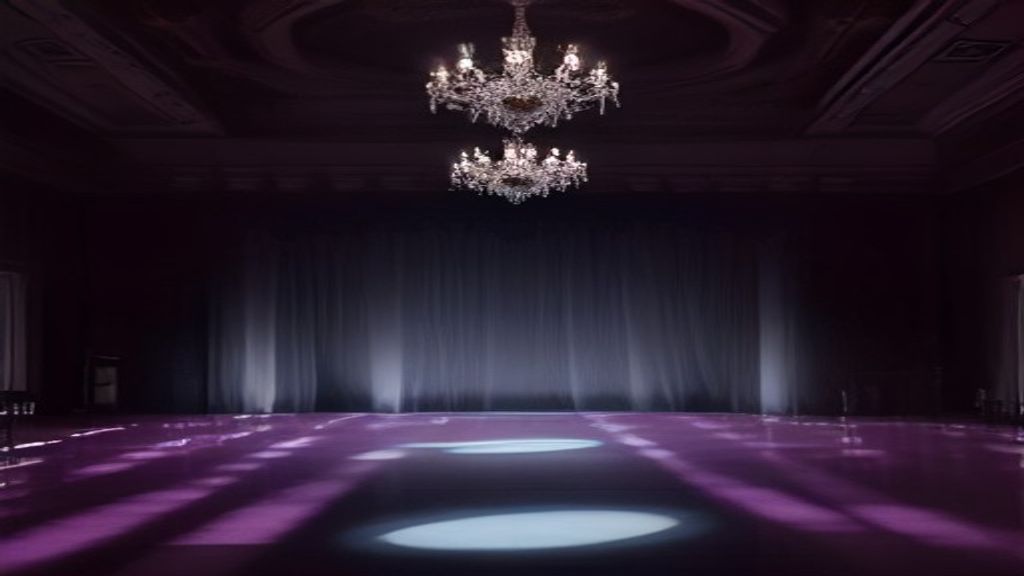
Every great party has a story people remember for the right reasons. I've also seen the ones people remember for the wrong ones — the sound cutting out mid-set because the venue's generator wasn't sized for the rig, or a beautiful outdoor reception in Doha getting shut down early because nobody checked the noise curfew with the building next door. None of that is about talent or track selection. It's logistics. And logistics are decided weeks before anyone hears a beat.
If you're planning a wedding, corporate event, or private party anywhere in Qatar or the UAE, the permit and power conversation deserves as much attention as the playlist.
Do you actually need a permit for a private event?
This depends heavily on the venue and the type of event, so it's never something to assume. A private party inside a licensed hotel ballroom or a members' club in Doha or Dubai is usually handled entirely by the venue's own events team — they carry the entertainment license, so you're covered under their paperwork. The moment you move outdoors, onto a rooftop, into a private villa, onto a yacht, or into a raw industrial space for a corporate activation, the picture changes.
Villas, farms, warehouses, and public beaches typically require their own approvals — sometimes from the venue owner, sometimes from a municipality or tourism authority, depending on the emirate or the specific area of Qatar. This is exactly why experienced wedding and event planners in the Gulf build permit lead time into the timeline months in advance, not weeks.
A few practical questions worth asking early:
- Does the venue hold its own entertainment and sound license, or does the client need to arrange one separately?
- Is there a difference in permitting for amplified music versus live instruments?
- Are there restrictions on hours for outdoor sound specifically, separate from indoor events?
- Does the venue require insurance or a vendor list submitted in advance?
- Is there a curfew that applies only on certain days — Thursday and Friday nights often run later than weeknights across the region?
Your planner or venue coordinator should have clear answers. If they don't, that's a signal to get it in writing before you sign anything.
Curfews change the shape of your night
Noise curfews are one of the most underestimated variables in Gulf event planning. A wedding reception that assumes music runs until 2am can be caught off guard when the venue's actual policy is an earlier cutoff for anything outdoors. This isn't unique to the Gulf — cities everywhere manage residential noise this way — but it matters more here because so many events happen on terraces, gardens, and rooftops built for the region's evening climate.
The fix is simple: build your run-of-show around the confirmed curfew, not the hoped-for one. If the outdoor space cuts at midnight, move the last hour of dancing indoors, or shift the entrance, speeches, and dinner earlier so the peak dance floor moment lands well inside the window. A good DJ can restructure an entire energy curve around a hard stop time — but only if we know the real number weeks in advance, not the night of.
Power, load-in, and the technical walk-through
This is the part that rarely gets discussed until something goes wrong. A full DJ setup — CDJs, mixer, monitors, main PA, and lighting — draws real power, and outdoor venues in particular don't always have it where you'd expect. Villas and gardens often run on separate circuits that were never designed for professional audio gear.
Before booking, it's worth confirming:
- Where the power source is relative to the DJ booth, and whether it's a dedicated circuit or shared with catering, lighting, and AV.
- Load-in access and timing — whether gear can be brought in hours before guests arrive, or only within a tight window.
- Weather contingency for outdoor events, especially during Gulf summer humidity or the occasional shamal wind — covered decks and cable management aren't optional extras.
- Sound check time, ideally scheduled before guests arrive so any adjustments happen quietly, not during the first dance.
None of this is glamorous, but it's the difference between a set that flows and a night that stalls while someone hunts for an extension cable.
Working this out with your DJ, not around them
The best version of this process happens early, with the DJ looped into the vendor conversation rather than told the details on arrival. When I'm booked for an event in Doha, Dubai, or anywhere across the Gulf, I ask for the venue contact directly — not to take over the planning, but to confirm power, access, and curfew details against what the client has been told. It's saved more than one wedding from an awkward surprise.
If you're working with an events company, this coordination is usually part of what you're paying them for. If you're booking directly, it becomes one more thing worth putting in writing before the date is locked in.
A short checklist before you confirm your venue
- Confirm who holds the entertainment permit — venue or client
- Get the exact noise curfew in writing, not verbally
- Confirm power source and capacity at the DJ booth location
- Agree on load-in and sound check windows
- Have a rain or heat contingency for anything outdoors
- Share all of the above with your DJ before the week of the event
Get these five things settled and the actual music becomes the easy part — reading the room, building the energy, timing the drops. That's the fun half of the job.
If you're planning an event in Qatar, the UAE, or anywhere across the Gulf and want someone who'll ask these questions before the contract is signed, not after, I'm based in Doha and travel throughout the region for weddings, private parties, corporate events, and club bookings. Get in touch early — the best nights are the ones where nobody notices the logistics at all.