More Than Sound: Why Lighting Design Is Half the Job for a DJ in Beirut and Faqra
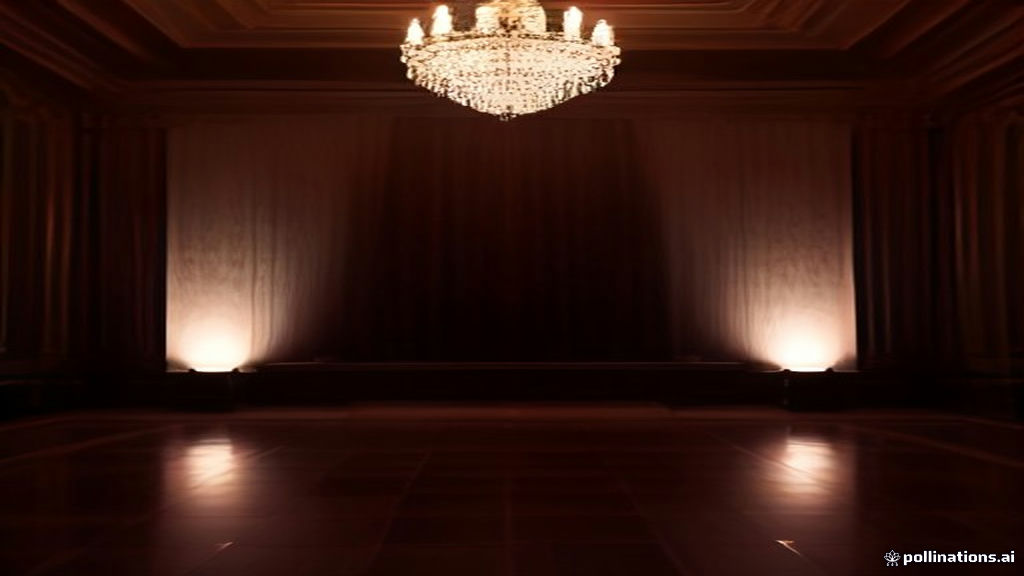
Ask most couples what they remember from a wedding and they'll describe a feeling before they describe a song. The room glowed. The dance floor felt alive. The first dance looked like something out of a film. None of that happens by accident, and none of it happens with sound alone. Lighting is doing half the work, even when nobody in the room can name a single fixture.
After 25 years behind the booth, I've learned that a DJ who only thinks about the playlist is leaving half the job on the table. Whether it's a tented wedding in Faqra, a club night in Mar Mikhael, or a corporate gala in Doha, the lighting plan decides how the music actually lands.
Why Lighting Matters as Much as the Music
Light controls mood before a single track plays. A warm amber wash on a stage says something different than a cold blue wash. A dance floor lit only by a single spotlight feels exposed — people hesitate to step onto it. The same floor wrapped in moving color feels like an invitation.
This matters even more outdoors, which is where a lot of Lebanese weddings happen. A mountain reception in Faqra under a clear night sky needs a completely different lighting approach than a ballroom in downtown Beirut. Without enough ambient light, a beautiful venue disappears into darkness the moment the sun sets, and all that scenery you paid for is invisible in every photo.
What a Basic Lighting Setup Actually Includes
People often assume "lighting" means a couple of colored spotlights over the DJ table. A proper setup for a wedding or private party usually covers a few distinct jobs:
- Uplighting — fixtures placed around the room's perimeter, washing walls, columns, or tent edges in color. This is what makes a venue feel designed rather than borrowed.
- Moving head fixtures — intelligent lights that pan, tilt, and change color on cue, used to build energy on the dance floor during high points of the set.
- Haze or fog — a light haze in the air is what makes beams visible at all. Without it, even expensive lighting rigs look flat in photos and video.
- Pin spots — tight, focused beams used on the cake, the centerpiece, or the couple during key moments like the first dance.
- Stage and table wash — soft, even lighting over the head table or stage so speeches and toasts are actually watchable, not just audible.
Each of these does a different job, and a good production plan uses all of them at different points in the night rather than running one static look for six hours straight.
Uplighting, Moving Heads, and Haze: What Do They Do, Really?
Think of it as three separate conversations with the room. Uplighting talks to the architecture — it makes the space feel intentional. Moving heads talk to the dance floor — they follow the energy of the music, speeding up and brightening as the BPM climbs. Haze talks to the camera — it's the difference between a photographer capturing a glowing room and capturing a dark one with a few floating dots of color.
A DJ running Pioneer CDJs and reading the crowd in real time should be thinking about all three in sync with the set. When I build toward a big moment — an Arabic classic dropping after a run of Western tracks, for example — the lighting should build with it. A sudden shift to warmer, slower color on a ballad and a rapid, saturated chase on the drop isn't decoration. It's reinforcing what the music is already telling the room.
Lighting for a Wedding in Faqra vs a Club Night in Mar Mikhael
The brief changes completely depending on the venue and the crowd.
Faqra weddings tend to be outdoors or in large tented structures, often with stunning natural backdrops — mountains, pine forests, open sky. The lighting job here is to extend that beauty into the night rather than compete with it. Soft uplighting, warm tones, and well-placed pin spots usually beat an aggressive club-style rig. Guests came for the view as much as the party.
Mar Mikhael's bar and club scene is the opposite brief. Rooms are smaller, ceilings are lower, and the crowd wants to feel the room pulse. Here, moving heads and a tighter, more saturated color palette do more work, synced closely to the BPM. There's less need to flatter architecture and more need to build intensity fast, since sets in that part of Beirut often run shorter and need to hit harder sooner.
Doha events split the difference more often — large hotel ballrooms or outdoor terraces where you want both the elegance of good uplighting and enough movement to keep a mixed international crowd engaged through a long night.
What to Ask Your DJ or Production Company About Lighting
If you're booking entertainment for a wedding or private event, lighting questions are worth asking early, not the week before:
- Is lighting included with the DJ booking, or is it a separate vendor you need to coordinate?
- How many fixtures are planned for the space, and has someone actually seen the venue or its floor plan?
- Will there be haze, and does the venue allow it? Some indoor spaces have smoke detectors that need to be addressed in advance.
- Who is controlling the lighting live — is it synced to the DJ's set, or running on a fixed program regardless of the music?
- What happens for key moments — first dance, cake cutting, zaffe — is there a dedicated lighting cue for each?
That last point is the one people forget most often. A first dance lit the same as the rest of the reception loses its moment. A good production plan treats it like a spotlight scene, not background.
Working With Your Venue's Existing Lighting
Some venues in Beirut and Doha already have strong house lighting — architectural features, built-in uplighting, even programmable systems. In those cases, the smart move isn't to override it but to layer on top of it: adding movement and color changes that respond to the music while respecting what the room already does well. A good production team will walk the space ahead of time rather than showing up with a one-size-fits-all rig.
Booking the Full Package
Sound gets booked first. Lighting is where a lot of planning falls through the cracks — treated as an afterthought instead of part of the same conversation as the music. I've found that when lighting and sound are planned together from the start, the whole night reads as one coherent experience instead of two vendors doing their own thing in the same room.
I work with trusted lighting and production partners for weddings and private events across Beirut, Faqra, and Mar Mikhael, and bring the same approach to bookings in Doha and across the Gulf. If you're planning an event and want the room to look as good as it sounds, get in touch early — the best lighting plans start with a venue walk-through, not a last-minute phone call.