Mahraganat on the Mix: Why Egypt's Street Sound Is Turning Up in Beirut and Gulf DJ Sets
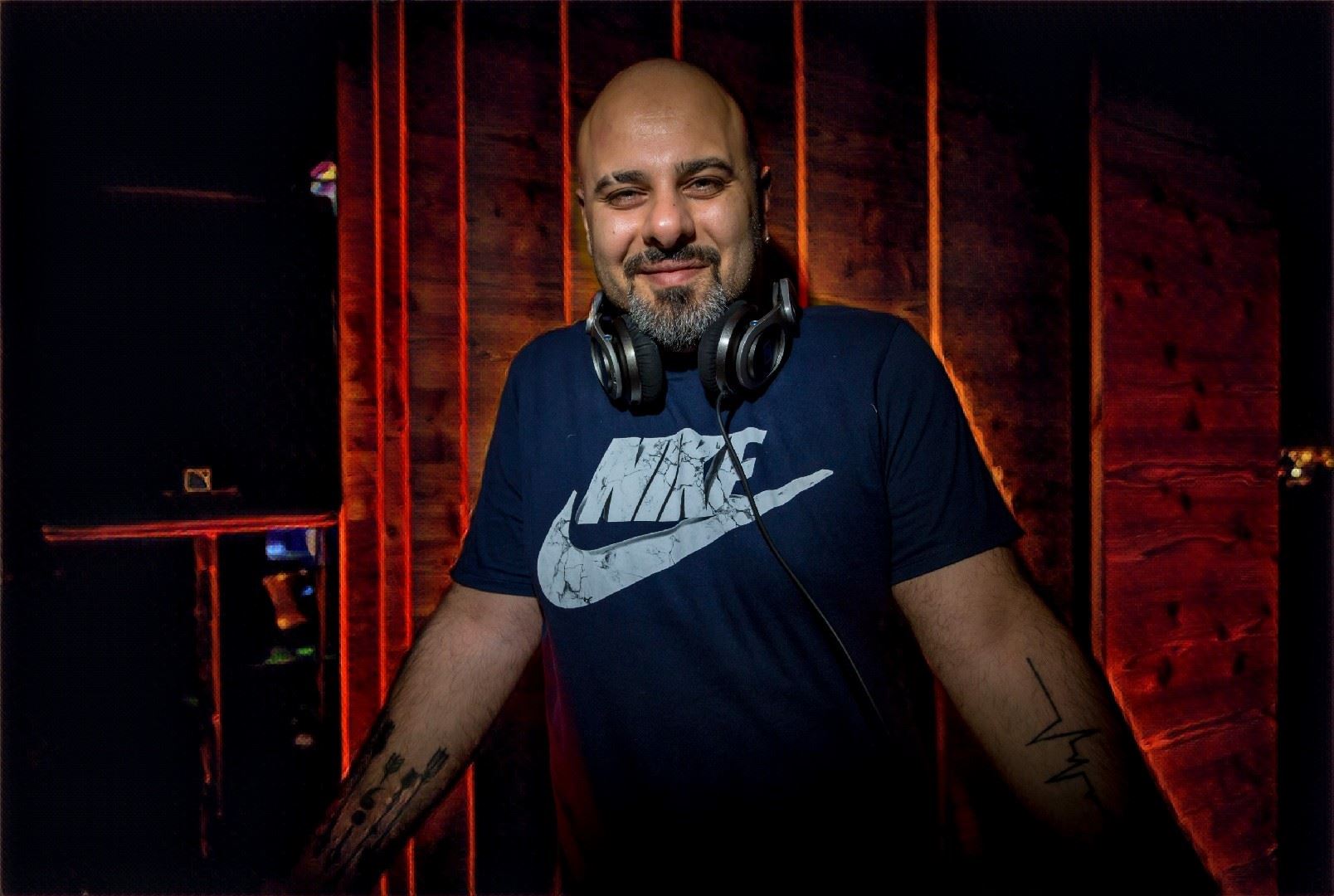
A few years ago, if you asked a club in Mar Mikhael to play mahraganat, you'd get a blank look from half the room. Today it's a different story. The log-drum thump and auto-tuned vocal hooks that built Cairo's street sound are turning up in sets from Beirut to Dubai, usually blended with trap, house, or Khaleeji rhythm rather than played straight. This is a genre migration worth understanding before you build it into your event.
What Is Mahraganat, Exactly?
Mahraganat — literally "festivals" in Arabic — grew out of working-class neighborhoods in Cairo in the late 2000s and early 2010s. It was made on cheap laptops and pirated software, built around heavy auto-tune, distorted bass, and a call-and-response energy born from actual street festivals and weddings. It wasn't made for radio. It was made for a speaker on the back of a truck and a crowd that wanted to shout the hook back.
For years, Egypt's cultural establishment kept its distance from the genre. That tension is well documented and part of what gave mahraganat its edge — it was music made by people the mainstream wasn't paying attention to, and it became one of the most listened-to sounds on the Arabic internet anyway.
What's changed recently is crossover. Artists blending mahraganat's DNA into trap, drill, and mainstream Arabic pop have pulled the sound out of its original lane and into festival stages and club rotations across the region.
Why It's Showing Up in Beirut and the Gulf Now
Lebanese and Gulf audiences have always been quick to absorb Egyptian pop culture — Egyptian film, television, and music have shaped the wider Arab entertainment landscape for decades. Mahraganat's current wave is riding that same channel, helped along by how easily a hook travels once it's on every phone in the room before a DJ even touches it.
A few reasons it's landing well on dance floors specifically:
- The BPM range works. A lot of mahraganat sits in a tempo zone close to trap and reggaeton, which makes it mixable into sets that already lean urban or Afrobeats-adjacent.
- The hooks are built for repetition. Short, chantable phrases translate across a room even for guests who don't know the full lyric.
- It pairs naturally with Khaleeji percussion. The rhythmic bounce sits close enough to regional dabke and Khaleeji patterns that a smooth DJ can bridge between them without the transition feeling forced.
How I Actually Use It in a Set
I don't open a wedding or a club night with mahraganat cold. I treat it the way I treat any high-energy regional sound — as a payoff, not a starting point.
A typical bridge looks like this: I'll build energy through Arabic pop or a dabke run, let the room get loud and physical, then drop a mahraganat-influenced track at the peak rather than the start of a segment. The auto-tuned hook lands harder when the crowd is already moving. Pull it out too early and it reads as novelty. Drop it at the right moment and it becomes the loudest singalong of the night.
Reading the room still matters more than the genre. A Beirut crowd in Mar Mikhael that skews younger and more plugged into Arabic internet culture will often know these tracks instantly. A mixed diaspora wedding crowd in Faqra or a corporate event in Doha might need more context — a shorter dose, blended quickly back into something more familiar, rather than a full extended run.
Mixing It Cleanly
The technical challenge is less about the genre and more about the source material. A lot of mahraganat and its crossover offshoots circulate online as rough rips, inconsistent in volume and missing clean intros for proper beatmatching on CDJs or in Rekordbox. If you're building this into a serious set, you want tracks that are properly mastered and tagged with accurate BPM, not pulled straight off a video platform. That's one of the reasons I keep my library stocked from curated sources rather than relying on whatever's trending that week — sites like topdjcrates.com are useful for exactly this, giving you DJ-ready WAV files instead of a compressed file with no clean edit point.
Should You Request It for Your Event?
If you're planning a wedding or private party and you're wondering whether this sound belongs on your playlist, here's how I'd think about it:
- Know your guest list. If a meaningful chunk of your crowd follows Egyptian or pan-Arab pop culture closely, this will land as a highlight, not a curiosity.
- Treat it as a peak moment, not a backbone. One or two well-placed drops beat a long, uninterrupted run for most mixed-audience events.
- Say so when you book your DJ. If you want it included — or specifically excluded — tell your DJ during the planning conversation, not at midnight through a request slip.
- Trust the read. A good wedding DJ in Beirut or Dubai should be able to gauge in real time whether the room wants more of it or less, and adjust without you having to flag it.
The Bigger Picture
Genres like this travel fast now. What started as music made outside Cairo's mainstream is shaping dance floors a thousand kilometers away within a few years, carried mostly by phones and playlists rather than radio or labels. It's a reminder that programming a set in 2026 means staying current with sounds moving through the region in real time, not just the catalog you already know — even after 25 years of doing this, that part never stops.
That's really the job: knowing the 70s disco cuts and the 90s house classics cold, while also knowing what's moving through a younger crowd's phones this month, and being able to blend both into one night that works for everyone in the room.
If you're planning a wedding, private party, club night, or corporate event in Beirut, Faqra, or Mar Mikhael, or anywhere across Doha, Dubai, or the wider Gulf, I build every set around the actual people on your guest list — not a fixed template. Get in touch and let's talk about what your night needs.