Karantina After Dark: Beirut's Industrial Warehouse Scene and What It Means for Booking a DJ
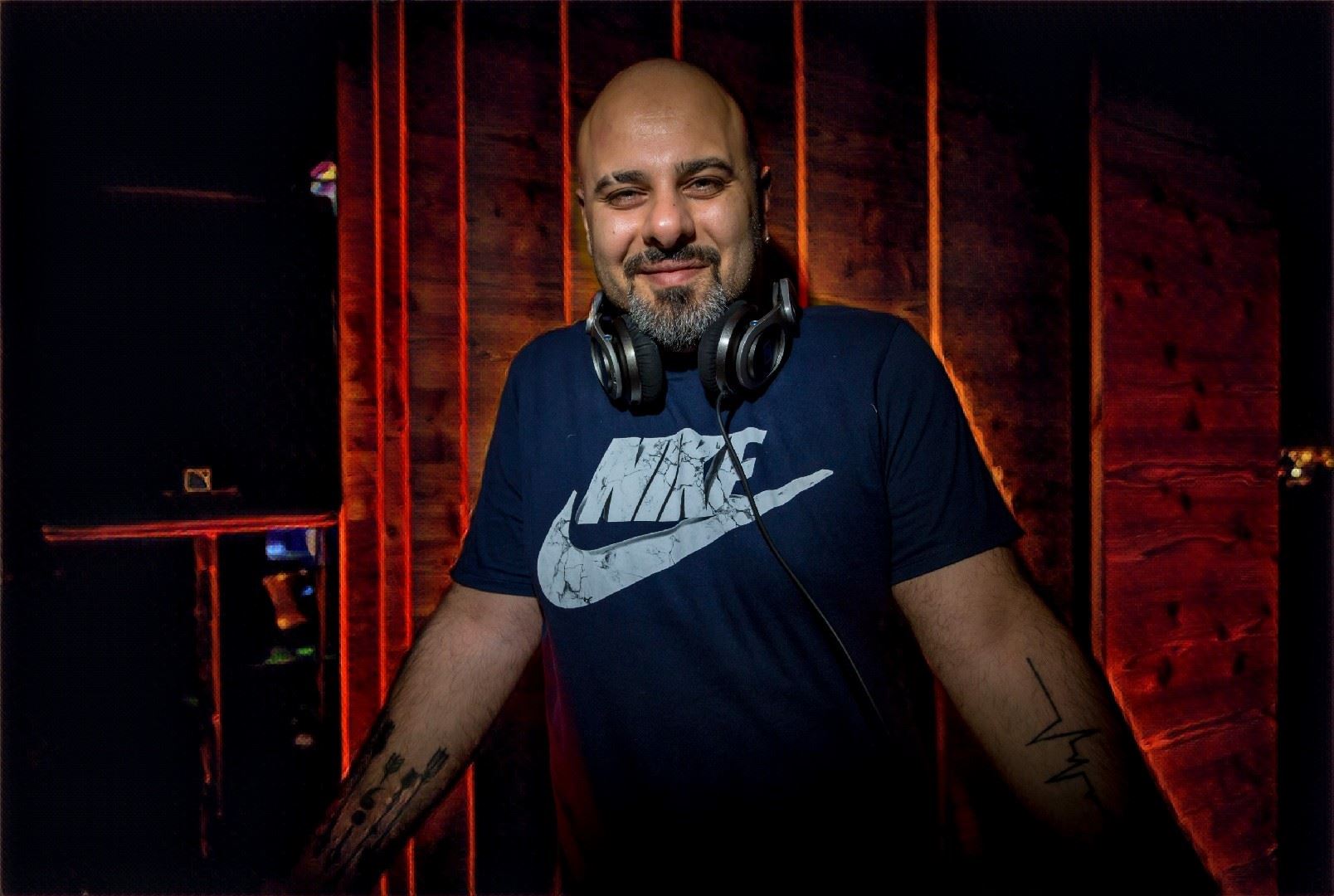
Ask anyone who's been in Beirut's nightlife for more than a decade about Karantina and they'll tell you the same thing: it wasn't supposed to become a destination. It's an industrial strip near the port, sandwiched between warehouses, slaughterhouse history, and shipping yards. No sea view, no rooftop, no manicured lounge aesthetic. And yet, over the past several years, it's become one of the city's most talked-about places to hear electronic music.
I've watched this shift happen the way most people in Lebanon's nightlife scene have — from the booth, from conversations with promoters, from the gradual realization that raw spaces produce a different kind of energy than polished clubs do. Karantina matters for anyone planning an event in Beirut right now, even if you never book a venue there, because it's changed what people expect a great night to sound and feel like.
Why Did Karantina Become a Nightlife Destination?
The short answer is space and silence from complaints. Unlike Mar Mikhael or Gemmayze, where bars sit shoulder to shoulder with residential buildings and curfews are a real constraint, Karantina's industrial zoning gave promoters room to build something different. High ceilings, concrete floors, minimal neighbors — the raw conditions that warehouse and underground scenes in Berlin, Detroit, and London were built on decades ago.
Beirut's version grew out of necessity as much as taste. After the port explosion in 2020 devastated the surrounding area, including much of Karantina itself, rebuilding happened unevenly. Some of that empty industrial space became exactly the kind of blank canvas that techno and deep house promoters look for everywhere in the world. The sound of the city's underground didn't disappear — it moved into buildings that could hold it.
What Makes Warehouse Sound Different
If you've only ever experienced music in a finished club or a hotel ballroom, an industrial space changes the math entirely.
- Reverberation is longer. Concrete and bare walls bounce sound back instead of absorbing it, so a system has to be tuned differently than it would in a carpeted, curtained room.
- Low end travels further. Open floor plans and exposed structure let bass carry in ways that can either feel incredible or completely wash out the mix if the system isn't matched to the room.
- There's no built-in acoustic forgiveness. A finished venue hides a lot of sins. A warehouse exposes every one of them — which is exactly why DJs who grew up on open-format, read-the-room programming tend to thrive there.
This is a big part of why Karantina-style venues lean toward house and techno rather than the full top-40 range. The genre suits the room. Long, evolving tracks with a steady BPM give a sound engineer something consistent to work with, rather than constant jumps in energy and frequency that an industrial space will exaggerate.
What This Means If You're Planning an Event
You don't need to book an actual warehouse to borrow what makes Karantina work. More and more clients in Beirut, and increasingly in Doha and Dubai, are asking for that industrial, stripped-back aesthetic for private parties and even corporate events — exposed concrete venues, raw lighting rigs, a DJ booth built into the room rather than staged in front of it.
If that's the direction you're considering, here's what actually matters:
- Book the sound system to the room, not the guest count. A warehouse-style space needs a system calibrated for reverberation and bass travel, not just volume for a headcount.
- Plan lighting as part of the architecture. Bare industrial spaces reward live visuals and lighting design far more than a finished ballroom does — this is where a VJ setup genuinely transforms the night rather than just decorating it.
- Think about neighbors even in an industrial zone. Karantina has more breathing room than Mar Mikhael, but Beirut's noise and curfew realities still apply once you're arranging a private event with a hard end time.
- Match the music to the room's reverb. A set built for a tight bar needs reworking for a space with a three-second echo. This is where crate preparation really earns its keep — I spend real time before any industrial-space booking picking tracks with the right low-end profile and arrangement length for the room, sometimes pulling clean, DJ-ready stems from a resource like topdjcrates.com when I need a specific sound sourced fast and mixed properly.
- Set the vibe early with the opening hour. Industrial spaces are unforgiving to a slow build with no atmosphere behind it. The room needs something playing in it from the moment doors open, even at low volume.
Does This Fit Weddings and Private Parties?
Not every event wants this sound, and that's fine. A traditional Lebanese wedding in Faqra or a family celebration still calls for the warmth, the Arabic sets, and the dabke energy that defines those nights. But for milestone birthdays, brand launches, after-parties, and anyone hosting in Beirut who wants something that feels unmistakably current, borrowing from Karantina's playbook — the sound system thinking, the visual programming, the deeper and more progressive music selection — gives an event a different character than a standard ballroom setup.
It's also a reminder of something I tell clients constantly: the venue shapes the set as much as the guest list does. A great DJ doesn't bring the same program to every room. Reading a space like Karantina versus reading a hotel ballroom in Downtown Beirut or a tent in Faqra takes a different ear, and 25 years of playing across very different rooms is exactly where that instinct comes from.
Booking for Beirut, Mar Mikhael, and Beyond
Karantina is proof that Beirut's nightlife keeps evolving even when the easy headlines say otherwise. New spaces, new sounds, new expectations from guests who've traveled and heard what warehouse culture sounds like elsewhere — and want a taste of it at home.
Whether you're planning something with that raw, industrial energy in Beirut, a club night in Mar Mikhael, a wedding in Faqra, or an event in Doha, Dubai, or Riyadh, I build the set and the sound around the room you're actually in — not a generic playlist. If you're putting together something different for your next event, get in touch and let's talk through what the space needs.