Henna Night to Engagement: Programming Music for Lebanon's Pre-Wedding Celebrations
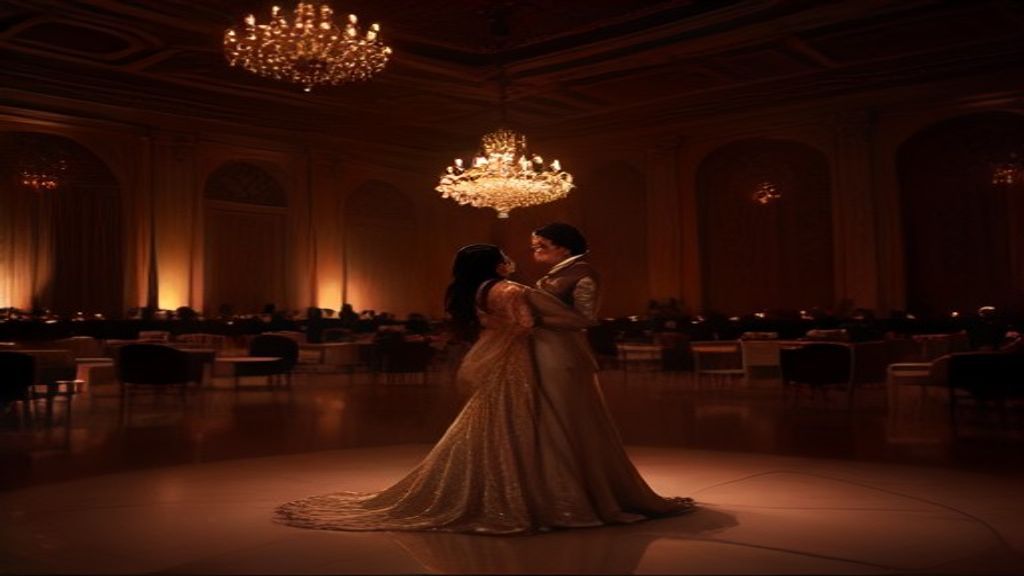
Every Lebanese wedding season, I get asked about the ceremony — the zaffe, the first dance, the late-night dabke set. What people forget to ask about is everything that happens before the wedding. The khitbeh. The henna night. The small family gathering that turns into two hundred people dancing on a terrace in Achrafieh or a garden in Faqra. Those nights need their own soundtrack, and it's not the same one you use on the big day.
What's the Difference Between a Khitbeh and a Henna Night?
They get lumped together, but they're different events with different energy.
- The khitbeh (engagement) is more formal in its opening hour — family introductions, a toast, sometimes a ring exchange in front of both families — before it loosens into a full party.
- The henna night is looser from the start. It's built around the bride, often with a color scheme, and the music leans heavier into Arabic pop and dabke from the first song.
Both eventually become dance floors. Both need a DJ who reads the shift from "polite gathering" to "everyone's up" without forcing it.
Building the Opening Hour
The first thirty to forty minutes of an engagement party sets the tone for the whole night. I keep the opening set warm and conversational — soft Arabic classics, some tasteful 90s R&B, occasional French or Italian standards if the families have that background. Nobody wants to dance during the toasts. The music should sit under the room, not compete with it.
This is where a lot of DJs get it wrong. They either play it too safe for two hours straight, or they rush the energy and lose the older relatives in the first fifteen minutes. The trick is patience. You watch the tables, not the clock.
The Turn: When the Party Actually Starts
Somewhere between the main course and dessert, the room is ready. This is usually where I bring in the first dabke track — something classic, recognizable, built for a big group hand-in-hand rather than couples. Once that first circle forms, the night is yours to shape.
From there, a typical engagement or henna set moves through:
- Dabke and Arabic pop — the backbone of the night, especially with a mixed-generation crowd.
- Khaleeji and regional crossover tracks — if the families have Gulf connections, which is common with Lebanese diaspora and Gulf-based relatives flying in.
- A nostalgic run — 80s and 90s Arabic and Western hits together, which almost always brings the older guests back onto the floor.
- A short high-energy peak — this is where BPM climbs and the newer generation takes over.
- A cool-down close — slower tracks as the night winds toward midnight, especially for gardens in Faqra where the temperature drops and people start gathering around fire pits instead of the dance floor.
That sequencing matters more than any single song choice. A henna night in Beirut and one in Faqra can use almost the same track list and feel completely different, because the room, the acoustics, and the pacing are different.
Faqra, Beirut, or Mar Mikhael: Does the Venue Change the Set?
Yes, and it's not subtle.
Faqra venues are usually outdoor or semi-outdoor, with distance between the DJ setup and the crowd, mountain acoustics that swallow high frequencies, and a cooler night that changes when people want to move versus sit. I push more low-end and keep transitions tighter so energy doesn't leak into the open air.
Beirut venues — hotel ballrooms, rooftop terraces, private gardens in the suburbs — tend to be tighter rooms with harder walls, so sound reflects more and I have to watch volume more carefully than tempo.
Mar Mikhael comes up less for engagement parties and more for the after-party crowd — younger siblings and friends who peel off from the family event and head to the bars once the formal night winds down. If a henna night has that kind of crowd, I plan the last hour knowing half the room might be heading there next.
What Families Should Actually Ask a DJ
If you're planning a khitbeh or henna night, ask these before booking:
- Can you build a set that moves from Arabic classics to dabke to Western without a jarring gap?
- Do you bring your own sound system, or does the venue provide it?
- How do you handle song requests from family members mid-party?
- Can you adjust the set live if the older guests are still seated when it's time to build energy?
- Have you played events with a mixed diaspora guest list — Lebanese, Gulf, European?
A DJ with real experience across these rooms won't need a rigid script. The best pre-wedding sets are built live, in the room, not decided in advance on a laptop.
Preparing the Library Before You Even Get There
None of this works without preparation. Before any engagement season, I go through my library and make sure I have clean, well-tagged versions of the tracks I know will get requested — dabke staples, Fairuz and Wahbe-era classics, current Arabic pop, and the 80s/90s crossovers that never fail. Building and maintaining that kind of library is its own discipline, and it's part of why I keep an eye on resources like Top DJ Crates for curated, DJ-ready packs that save hours of prep when a wedding season gets busy.
Booking for Your Own Celebration
Engagement parties and henna nights don't get the attention weddings do, but they're often the more emotional night — smaller, closer, more personal. Getting the music right matters just as much.
I play these celebrations across Beirut, Faqra, and beyond, and I take bookings for private parties throughout Lebanon as well as Doha and the wider Gulf. If you're planning a khitbeh, a henna night, or the wedding itself, get in touch early — the good dates in wedding season fill up fast, and I'd rather build your set with time to get it right.