Hazmieh's Superclub Scene: What Beirut's Big-Room Clubs Need From a DJ
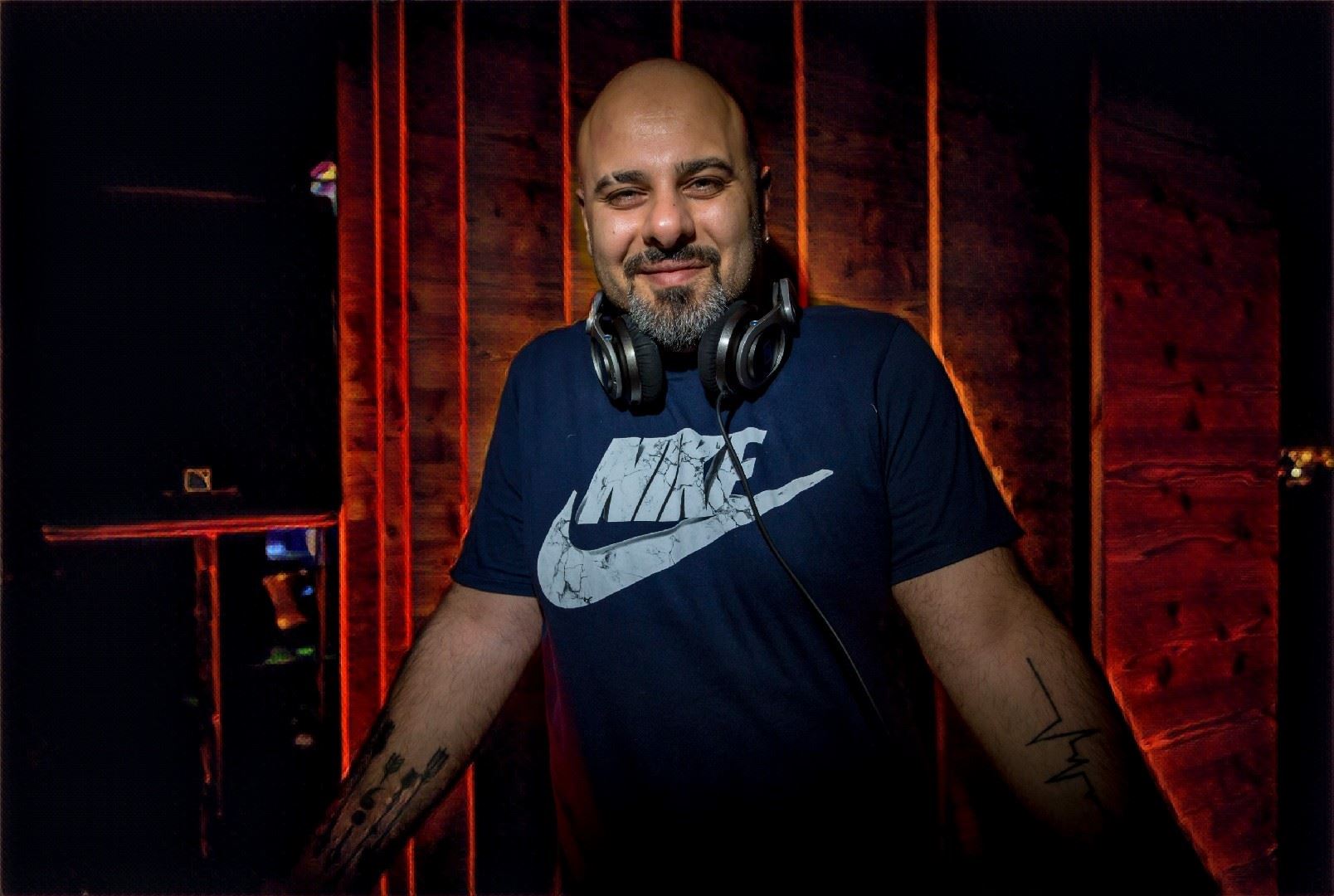
Why is Beirut's biggest nightlife now in the suburbs?
For years, if you wanted to talk about going out in Beirut, you talked about streets: Mar Mikhael, Gemmayze, Hamra, Monot. Small rooms, tight crowds, a DJ three feet from the first row of dancers. That scene is still alive and still essential to the city's identity.
But over the last few years, a different kind of venue has taken hold on Beirut's edges — in Hazmieh, in Dbayeh, in the malls and towers that ring the city rather than sit inside it. Big-room clubs with real production budgets, bottle service, international booking calendars, and sound systems built for a few thousand people instead of a few hundred. O1NE Beirut in Platea Hazmieh is the clearest example — a venue that plays by Gulf-superclub rules on Lebanese soil.
This matters if you're planning an event, because a big room and a small room are not the same job. They don't book DJs the same way, and they don't need the same DJ.
What actually changes in a superclub set
I've played rooms of forty people and rooms of four thousand, and the gear in my bag barely changes — Pioneer CDJs, Rekordbox, a USB of clean edits. What changes is everything around the music.
Sound travels differently at scale. In a 60-seat bar, you feel the crowd's energy in real time and can pivot song to song. In a superclub, there's a lag between what you play and how the far end of the room reacts. You have to program further ahead, read body language from stage rather than conversation at the booth, and trust your build rather than chase an instant response.
Transitions get longer, not shorter. Big rooms reward patience. A four, five, even eight-minute blend that layers two tracks together lets the energy climb without a jarring cut. In a 90-seat lounge, that same blend can feel like you're stalling. Scale changes pacing.
Visuals become part of the instrument. A live VJ feed, synced lighting, LED walls — these aren't decoration in a 2,000-person room, they're structural. The same track hits differently with a visual arc underneath it, and a superclub booking almost always means thinking about the booth and the screen as one set.
The crowd is more mixed. Tourists, diaspora home for the season, locals, Gulf visitors passing through Beirut — a superclub pulls a wider net than a neighborhood bar does. Open-format skill matters even more here: the ability to move between Arabic pop, house, 90s throwbacks, and current club records without the set feeling scattered.
How this compares to Mar Mikhael and Gemmayze
None of this makes the bar-street scene less valuable — it makes a different kind of demand.
| Neighborhood bar (Mar Mikhael, Gemmayze) | Superclub (Hazmieh, Dbayeh) | |
|---|---|---|
| Read time | Instant, song to song | Slower, built over 20-30 minutes |
| Sound system | Compact, close-range | Full-scale, engineered for distance |
| Visuals | Minimal or none | Often central to the show |
| Booking style | Often direct, word of mouth | Often through agencies and promoters |
| Crowd | Local regulars | Mixed locals, tourists, diaspora |
A DJ who's only ever worked one format can struggle in the other. Playing a bar set with superclub pacing feels disconnected from the room. Playing a superclub with bar-set pivots feels chaotic from the back of the floor. Knowing which format you're walking into shapes how you prepare your crate before you even arrive.
What this means if you're booking
Whether you're planning a private party, a club night, or a corporate launch in one of Lebanon's bigger venues, a few questions are worth asking before you book:
- What's the room size and layout? A DJ should know this before building a set, not discover it on arrival.
- Is there a house sound system and lighting rig, or does the DJ need to bring their own? This changes the technical rider entirely.
- Will there be VJ visuals or video walls? If so, ask whether the DJ works with live video mixing or whether you need a separate operator.
- Is the booking direct or through an agency or promoter? Superclubs often route bookings through promoters managing a whole night's lineup, while private events are usually booked directly.
- What's the expected crowd mix? Locals, tourists, a corporate crew, a wedding party — this shapes genre balance more than venue size does.
Tony's take
I've built sets for rooms where I could see every face and rooms where the dance floor disappears into darkness past the first twenty rows. Both are a privilege. The skill is the same underneath — reading energy, matching keys and BPM, knowing when a classic lands and when it's too soon — but the tools you reach for change with the room.
Preparing for a big room means going back through the crate and re-sorting for longer arcs: which tracks build, which ones release, which ones can carry a five-minute blend without losing shape. That kind of library work is half the job before you ever touch a fader. If you're building or re-organizing a set for a bigger room, a resource like Top DJ Crates is worth knowing about — curated, DJ-ready packs that save hours of prep when you need clean, mix-ready material fast.
Booking a DJ in Beirut, Hazmieh, or beyond
Whichever format your event calls for — an intimate night in Mar Mikhael, a big-room launch in Hazmieh, a mountain wedding in Faqra, or a club date in Doha or Dubai — the preparation behind the booth is what makes the difference between a good night and a night people talk about for years.
I play across Lebanon and the Gulf, from neighborhood bars to larger productions, and I build every set around the room it's actually going into. If you're planning an event in Beirut or anywhere in the region, get in touch early — the bigger the room, the more lead time the preparation deserves.