Gemmayze After Dark: Booking a DJ for Beirut's Heritage Bar District
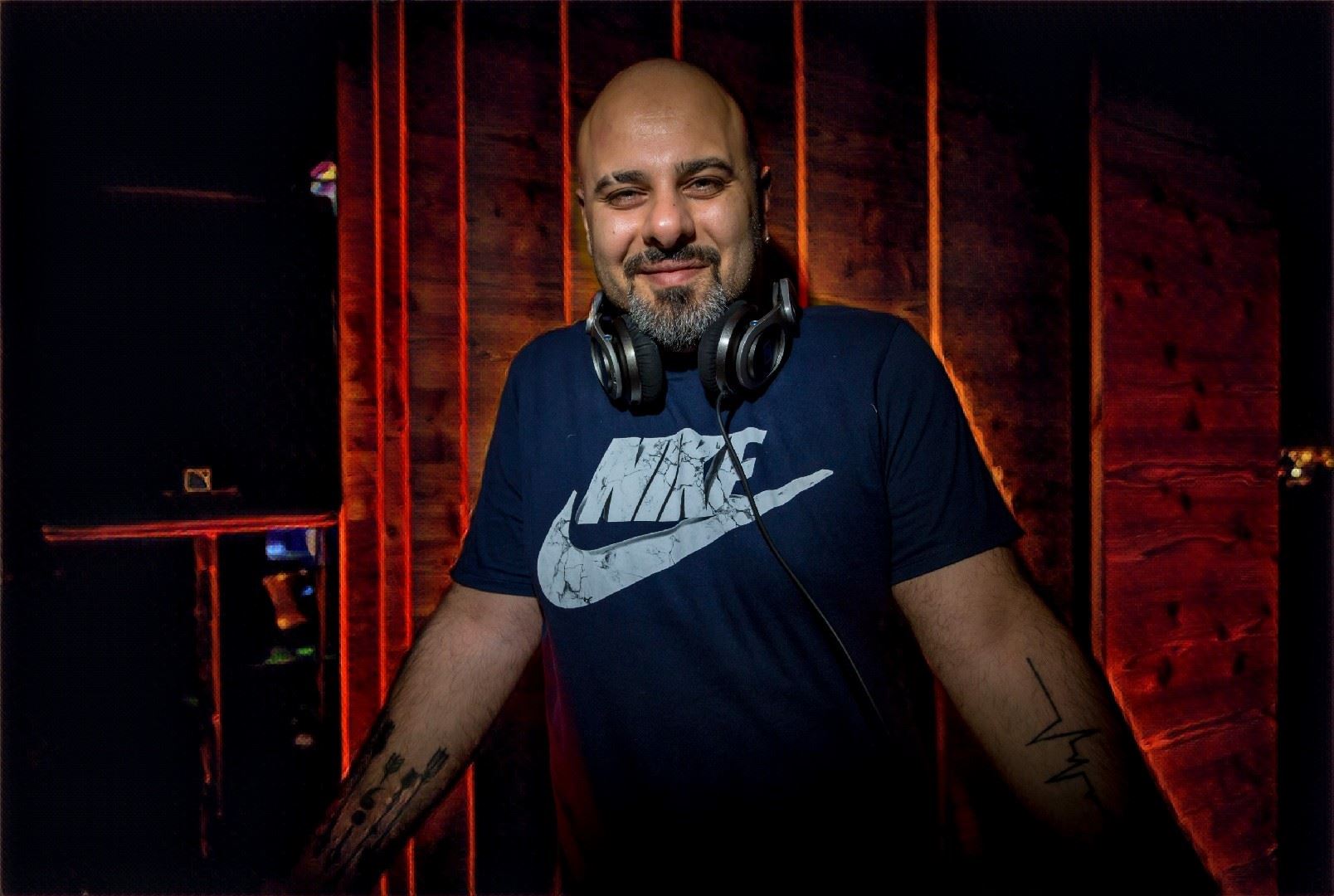
Ask ten people in Beirut where the best night out is and half of them will say Mar Mikhael. The other half will say Gemmayze, and they'll say it with a little more pride, because Gemmayze rewards people who actually know it.
It's one of Beirut's oldest residential-turned-nightlife pockets — narrow streets, converted heritage buildings, staircases that lead to rooftops nobody warns you about, and bars that fit forty people comfortably and somehow hold eighty on a Thursday. It sits close enough to Mar Mikhael and downtown to pull the same crowd on a given night, but the rooms, the crowd age, and the energy curve are their own thing entirely. If you're planning a night here, or booking a DJ to run one, that difference matters.
Why Gemmayze Isn't Just "Mar Mikhael, Part Two"
Mar Mikhael has grown into a strip — bigger rooms, later closing hours, a crowd that's out specifically to dance. Gemmayze is closer to its original character: intimate bars, wine and cocktail lounges, rooftop terraces, a mix of long-time regulars and people discovering a spot for the first time because a friend brought them.
That means the DJ brief is different too. A Gemmayze night is rarely a straight club set from the first track. It's usually a room that starts as conversation and wine, shifts into groove somewhere around 11, and only properly opens up to a dance-floor energy in the last stretch before close. Reading that shift correctly is the whole job.
I've built sets for rooms exactly like this across Beirut for over 25 years — spaces where you're not handed a packed dance floor, you have to earn one. The skill isn't playing loud. It's knowing when the room is ready to be pushed and when it still wants texture.
What Actually Works in a Room This Size
Small, heritage-building rooms behave differently than a proper club:
- Sound bounces harder off stone walls and low ceilings, so a system that would fill a warehouse will overwhelm a Gemmayze lounge. Volume needs to be dialed to the room, not the genre.
- Genre range matters more than genre depth. A Gemmayze crowd on any given night might want disco, deep house, Arabic classics, and 90s R&B in the same two hours — not as a gimmick, but because that's genuinely who's in the room.
- Transitions have to be invisible. In a space that small, an awkward mix or a jarring BPM jump is impossible to hide. Everyone hears it.
- The terrace and the bar are two different rooms. If the venue has a rooftop, the energy up there rarely matches the energy downstairs, and a good DJ — or a well-coordinated sound setup — accounts for both.
This is where open format skill earns its keep. A DJ who only knows one lane — only house, only hip-hop, only Arabic pop — runs out of road fast in a room like this. What keeps a Gemmayze night moving is the ability to move between eras and genres on beat, in key, without the crowd noticing the seams.
Building the Crate for a Night Like This
Because the set has to move across decades and genres without sounding scattered, preparation matters more here than in a straight club gig. I go in with a library organized by energy and mood, not just genre — tracks tagged so I can jump from a slow-building deep house groove into a 90s classic into a Fairuz or Arabic-language moment and back out, all matched on tempo and key.
That kind of crate prep is a craft on its own, and it's one reason DJs who play rooms like Gemmayze end up spending more time building libraries than actually spinning. If you're a DJ working on your own crate, curated, DJ-ready packs from a resource like Top DJ Crates can save real hours versus hunting down clean edits track by track — worth knowing about even outside the Gemmayze context.
What to Ask If You're Booking for a Gemmayze Venue
If you're planning a private event, a birthday, or a corporate mixer in a Gemmayze bar or rooftop, a few questions will save you a headache:
- What's the venue's actual sound system, and does the DJ need to bring their own? Heritage buildings weren't built with club-grade acoustics in mind — some venues have solid house systems, others need a DJ who travels with their own gear.
- Is there a curfew or residential noise restriction? Gemmayze is a mixed residential-commercial district, and neighbors do call it in. A DJ who's worked the area knows how to program a strong night within those limits.
- Does the space have both an indoor room and a terrace? If so, ask how the DJ plans to handle both — separate zoning, one set feeding both, or a clear plan for when guests move between them.
- What's the actual crowd mix? A 30th birthday with old university friends plays very differently than a corporate mixer with international guests. Tell your DJ who's actually going to be in the room.
The Bigger Picture: Beirut's Nightlife Isn't One Scene
What makes Beirut interesting to DJ in — and what makes it interesting to plan a night in — is that Mar Mikhael, Gemmayze, Zaitunay Bay, and Jounieh are not interchangeable. Each neighborhood has its own tempo, its own crowd, its own acoustics. A DJ who's spent years across all of them isn't just picking songs — they're reading which version of Beirut's nightlife they're standing in that night.
That's the experience I bring to every booking, whether it's a rooftop in Gemmayze, a club night in Mar Mikhael, a wedding in Faqra, or a private event in Doha. The city changes the set. The set doesn't change the city.
If you're planning a night in Gemmayze — or anywhere else in Beirut, Lebanon, or across the Gulf — get in touch early. The best nights start with knowing the room before you ever hit play.