From Khitbeh to Zaffe: Why Lebanon's Engagement Party Deserves Its Own DJ Set
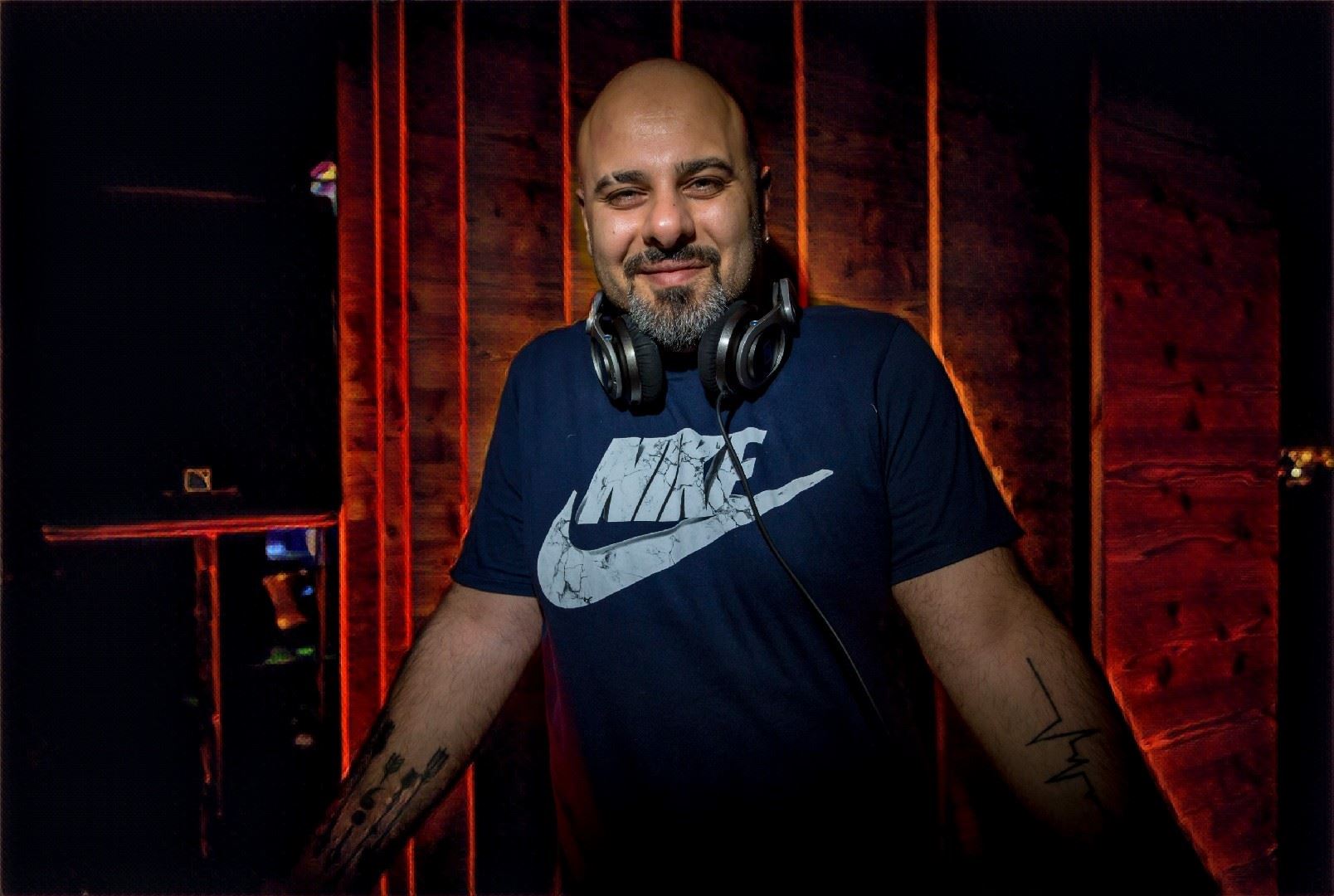
Ask any Lebanese family and they'll tell you: the khitbeh is not a warm-up act. It's its own event, with its own guest list, its own dress code, and — if you get it right — its own feeling in the room. Too many couples hand their engagement party the same playlist they're planning for the wedding, scaled down. That's the mistake. The khitbeh needs its own set.
I've played enough of these nights across Beirut and the mountains above it to know the difference matters. Here's how I think through it.
What Makes an Engagement Party Different From a Wedding
A wedding has a script. There's a zaffe, a first dance, a cake cutting, a structured night that builds toward a peak and holds it. The khitbeh doesn't have that scaffolding, and that's exactly what makes it interesting to program.
It's usually smaller. It's often at home, at a family majlis-style gathering, or at a restaurant private room rather than a full event hall. The crowd skews toward close family — parents, grandparents, aunts and uncles — with the couple's friends layered in rather than dominating the floor. And the emotional centerpiece isn't a first dance. It's the ring exchange, the toasts, the moment the two families formally become one.
That changes the job description for the DJ:
- The entrance matters more than the finale. With a wedding, the whole night builds to a peak late. At an engagement party, the strongest emotional beat often happens early — when the couple walks in, when the rings go on, when the fathers shake hands. The DJ needs to be ready for that moment to land on cue, not thirty seconds behind it.
- The room skews older on average. A khitbeh guest list leans more heavily toward parents' generation than a wedding's friend-heavy crowd. That means more Fairuz, Abdel Halim Hafez, Sabah, and classic dabke before the room is ready for anything current.
- Volume and pacing are gentler. These are often indoor, conversational events where people are catching up with relatives they haven't seen in a year. The energy curve should rise slowly and stay danceable without ever tipping into club volume.
- There's no "second set." A wedding has an after-party pivot once the older guests leave. A khitbeh usually runs on one continuous arc from arrival to dessert, so the DJ has to read exactly when to lift it and when to let it breathe.
Building the Khitbeh Set
I usually structure it in three movements rather than the full wedding arc.
Arrival and mingling. Soft, classic, mostly instrumental or gently vocal — old Fairuz, Wadih El Safi, some 70s and 80s Arabic pop at conversational volume. This is the longest stretch of the night and the one where restraint pays off. Nobody wants to shout over the DJ while they're greeting a grandmother they haven't seen since last Eid.
The ring moment and toasts. This is the emotional peak, and it needs to be treated with the same precision as a wedding's first dance — a track cued and ready, not improvised on the fly. Families often have a specific song in mind here; my job is to ask well in advance and have it loaded, not scrambling through a phone at the moment it matters.
Dabke and celebration. Once the formal part is done, this is where the night opens up. Dabke sets built around a steady BPM climb work especially well here — the older generation already knows the steps, and it pulls the whole room onto the floor together in a way that a current pop track never does at this stage of the night. From there I can bring in some Khaleeji and Lebanese pop crossover before easing back down as the night winds toward dessert and coffee.
None of this works off improvisation alone. Having a dedicated engagement-night folder — pre-tagged by BPM and key, separate from the wedding library — means I'm not hunting for a track while fifty relatives are watching the couple exchange rings. If you're a DJ building out that kind of library yourself, a resource like topdjcrates.com is worth a look for curated, DJ-ready packs that save you the scramble.
Questions to Ask Before You Book an Engagement Party DJ
If you're the one planning the khitbeh, here's what's worth sorting out with your DJ ahead of time:
- Is this indoors or outdoors, and what's the actual guest count? A living room gathering of forty needs a completely different sound setup than a hundred-person restaurant terrace in Faqra.
- Who is walking in, and to what? Confirm the entrance song and the ring-moment song specifically — don't leave it to be decided on the night.
- How formal is the dress code and tone? That tells the DJ how early they can bring in anything upbeat.
- Does the family have a dabke preference? Some families want it traditional and slow-building; others want it fast from the first beat.
- Is there a toastmaster or someone making speeches? The DJ needs to coordinate microphone handoffs and know when to drop music out entirely.
Where This Fits Into the Bigger Picture
A khitbeh done well sets the tone for everything that follows — including how the family thinks about booking the wedding DJ months later. I treat every engagement party as its own complete event, not a dress rehearsal, because the people in that room deserve a night built for them specifically.
I play these celebrations across Beirut, in the mountains above it in Faqra, and increasingly for Lebanese families based in Doha and across the Gulf who want that same feeling far from home. If you're planning a khitbeh, a wedding, or anything in between, get in touch early — the best nights are the ones planned months in advance, not days.