From Beirut to the Gulf: Why Lebanese DJs Define the Region's Nightlife
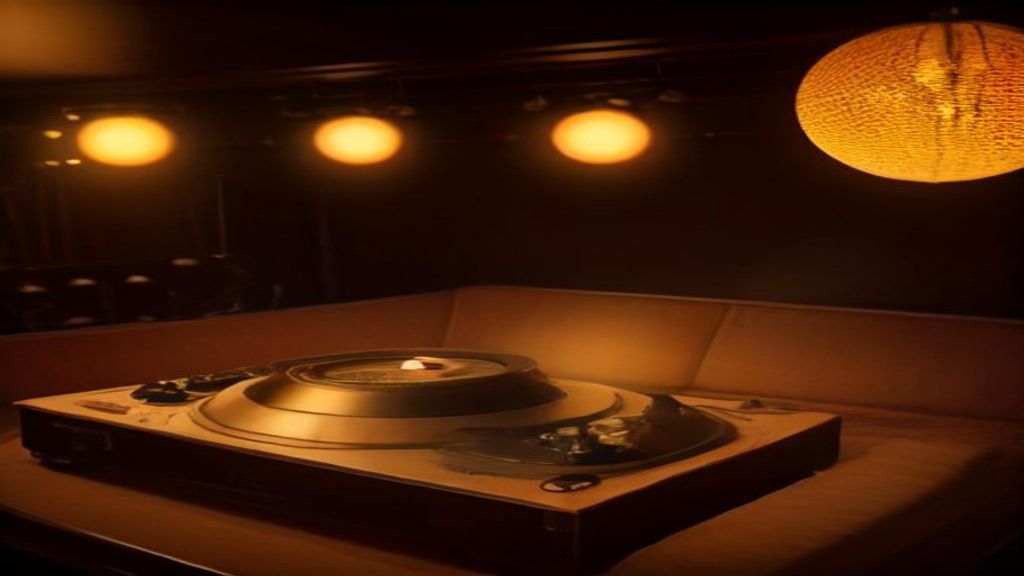
Ask anyone who has spent a night out in Beirut, and they'll tell you the same thing: this is a city that parties like it means something. Not despite the hard years, but because of them. That intensity shaped a generation of DJs, and a lot of them, myself included, ended up building careers across the Gulf. Understanding why helps explain what you're actually booking when you hire a Lebanese DJ in Doha, Dubai, or anywhere in between.
Why is Beirut known for its nightlife?
Beirut's reputation as the Middle East's party capital didn't come from nowhere. Neighborhoods like Mar Mikhael and Gemmayze grew into dense strips of bars and clubs. Rooftop venues and beach clubs along the coast turned summer nights into all-night events. Clubs like BO18, built into a bunker-like space by architect Bernard Khoury, became symbols of a city that refused to let its nightlife die even when everything around it was uncertain.
That resilience is the real story. Beirut's DJs learned to read rooms full of people who came from wildly different backgrounds, tastes, and generations, often on the same night, often in the same set. A crowd could want Fairuz at one moment and deep house twenty minutes later. That kind of range isn't taught in a course — it's built over years of playing to unpredictable rooms.
How Beirut's DJ scene shaped a generation
Lebanon's music scene absorbed influence from everywhere: French, Arabic, and English radio growing up side by side, European clubbing trends arriving fast thanks to Beirut's connections to the Mediterranean and to Europe, and a local appetite for disco, funk, and early house that never really faded. For a DJ who came up in that environment, the 70s, 80s, and 90s aren't a nostalgia trip. They're a working vocabulary, genres you know well enough to blend into anything from a wedding to a club night without it feeling forced.
That's part of why labels across the electronic music world, from boutique European imprints to Ibiza-adjacent outfits, have released tracks from Lebanese producers over the years. The scene produced people who understood both the technical side of production and the practical side of moving a room. Those two skills don't always come together, but in Beirut, they had to.
Why Gulf event planners book Lebanese DJs
Doha, Dubai, and Abu Dhabi have some of the fastest-growing event and entertainment markets in the world right now, and a lot of that growth depends on DJs who can work across cultures in a single night. A Gulf wedding might include Khaleeji guests, Lebanese guests, and Western expat guests all on the same dance floor. A corporate event might need Arabic-language MC moments alongside international house and top 40. This is exactly the kind of programming Lebanese DJs have been doing at home for decades.
A few things a Lebanese DJ typically brings to a Gulf event:
- Genre fluency across Arabic and Western music — dabke, khaleeji, Lebanese pop, and international dance music, without treating any of them as an afterthought.
- Comfort with mixed, multigenerational crowds — reading a room where grandparents and twenty-somethings are on the floor at the same time.
- Technical versatility — equally comfortable on Pioneer CDJs with Rekordbox, on Serato, or pulling out vinyl for a set that calls for it.
- An instinct for the energy curve — knowing when a classic track lands harder than a new one, and when to hold a big moment back.
- Experience adapting to logistics under pressure — sound restrictions, tight timelines, last-minute changes. Beirut teaches you to stay calm when the run-of-show shifts.
What this means for booking in Doha, Dubai, or Beirut itself
If you're planning a wedding, private party, corporate event, or club night anywhere from Doha to Dubai to Beirut, the practical takeaway is this: ask your DJ about their range, not just their genre. A DJ in Doha who can only play one style of music is going to hit a wall the moment your guest list gets diverse, and in the Gulf, it almost always does.
It's also worth asking how a DJ built their sound. Someone who came up playing to Beirut crowds has usually had to earn versatility the hard way, night after night, in rooms that didn't make it easy. That's different from a DJ who has only ever played to one type of audience in one type of venue.
Questions worth asking before you book
- Can you show me how you'd program a set for a mixed Arabic and Western crowd?
- What's your experience playing weddings versus club nights versus private parties?
- Do you bring your own gear, or work with the venue's setup?
- How do you handle a room that's reacting differently than expected halfway through the night?
The answers tell you a lot more than a genre list ever will.
Booking across the region
I was born in Beirut and built my ear on exactly the mix described here — 70s, 80s, and 90s classics alongside house, disco, and everything in between. Twenty years in, that background still shapes every set I play, whether it's a yacht party in Doha, a wedding in Dubai, or a night back home in Beirut.
If you're planning an event anywhere in Qatar, the UAE, Lebanon, or the wider Gulf and want a DJ who can move between cultures and eras without losing the room, get in touch. I'm based in Doha and travel for bookings across the region and beyond.