From B018 to Skybar: What Beirut's Legendary Clubs Taught Lebanon's DJs
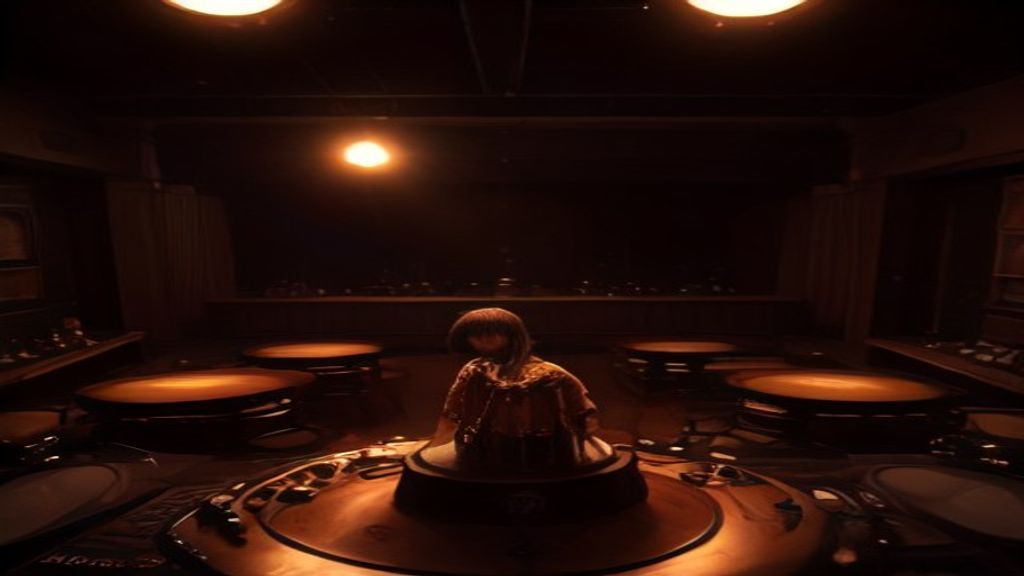
Every city has bars. Beirut has rooms that became part of the city's story. B018, Skybar, the old Music Hall stage — these weren't just venues, they were experiments in how far a night could go. If you're planning an event in Lebanon and wondering why the bar for a "good DJ" here is set so high, this history is the answer.
What made B018 different from every other club in Beirut
B018 sits underground, built into what was once a site tied to Beirut's civil war years, designed by architect Bernard Khoury as a deliberate act of turning painful ground into a place for the living. The retractable roof that opens to the sky at the peak of the night became the club's signature moment — a physical release valve for a room that had been building energy for hours.
That roof isn't a gimmick. It's a lesson in energy curve design. The best Beirut clubs never handed you the highlight of the night in the first twenty minutes. They built toward it, the way a good DJ set builds toward a peak instead of front-loading every big record. Anyone who's spent real time behind the decks in this city learns that lesson early: the room tells you when it's ready, not the clock.
Why Skybar changed how Beirut partied outdoors
Skybar took the opposite approach — open air, rooftop, downtown skyline as the backdrop instead of a concrete bunker. It proved something Beirut's outdoor party scene still leans on: the view is part of the set design. A DJ playing a rooftop has to think differently than one playing underground. Sound travels differently outside. Wind affects how a crowd hears the top end of a mix. And a skyline at 1am changes what kind of record actually lands.
This is exactly why a set built for Faqra's mountain air, a Beirut rooftop, and a Mar Mikhael basement bar can't be the same set copy-pasted three times. Venue shapes music. Always has.
What this history means if you're booking a DJ today
Beirut's legendary rooms weren't legendary because of the address. They were legendary because someone in the booth understood the specific physics and psychology of that specific room — and adjusted for it. That's the standard Lebanese nightlife set, whether you're booking:
- A private party in Faqra where the crowd is smaller, the acoustics are open-air and mountain-cold by midnight, and the energy curve needs to move faster because the night is shorter.
- A club night in Mar Mikhael, where the room is intimate, the crowd is often industry regulars, and a DJ has roughly fifteen minutes to prove they belong on that night's lineup.
- A wedding reception in Beirut, where the acoustics of a hotel ballroom or a garden venue behave nothing like a nightclub, and the DJ has to rebuild the whole energy curve around toasts, a zaffe, and a first dance.
- A corporate event or private house party, where there's no crowd noise to hide behind and every transition has to be clean.
The through-line is the same one B018 and Skybar were built on: read the room you're actually in, not the room you wish you had.
How this shapes a set today, in Lebanon or the Gulf
I grew up around this city's nightlife before I ever had a residency of my own, and it's stayed with me through every set I've played since — Beirut, Doha, Faqra, wherever the booking takes me. The instinct Beirut's clubs trained into a generation of DJs is simple to describe and hard to fake:
- Never open with your best record. Save it for when the room has earned it.
- Match the format to the space. Outdoor rooftop, underground room, hotel ballroom, and beach club all demand different BPM ranges and different track selections.
- Watch the crowd, not the setlist. A planned tracklist is a starting point, not a script.
- Know when to let the room breathe. Sometimes the best move is pulling energy back before the final push, the same way a roof stays shut until the exact right moment.
- Respect the era you're playing to. Beirut's nightlife has always mixed generations in one room — a wedding, a club night, a private party can all have guests from three different decades of music taste in the same crowd.
That last point matters more in Lebanon than almost anywhere else in the region. Beirut nightlife has never been one genre or one generation. A set that only works for one demographic doesn't survive here — it never has.
Booking a DJ who understands Beirut's standard
Lebanon's clubs set a bar that the rest of the region has been chasing for years, and it shows in how demanding — in the best way — Lebanese crowds are. Whether it's a wedding DJ in Faqra, a private party DJ in Beirut, or a night at one of Mar Mikhael's bars, the expectation is the same: someone who can read a room the way this city's best venues taught a generation of DJs to.
I bring that same standard to every booking, in Lebanon and across the Gulf — Doha, Dubai, Abu Dhabi, Riyadh, Jeddah. Twenty-five years across weddings, private parties, corporate events, club nights, and studio work has taught me that the room always tells you what it needs. The job is just listening.
If you're planning a wedding, private party, corporate event, or club night in Lebanon or anywhere in the Gulf, get in touch. Let's build the night around your room, not someone else's.