Fairouz at 3 AM: Why Lebanon's Golden-Age Classics Still Close Out the Best Nights in Beirut
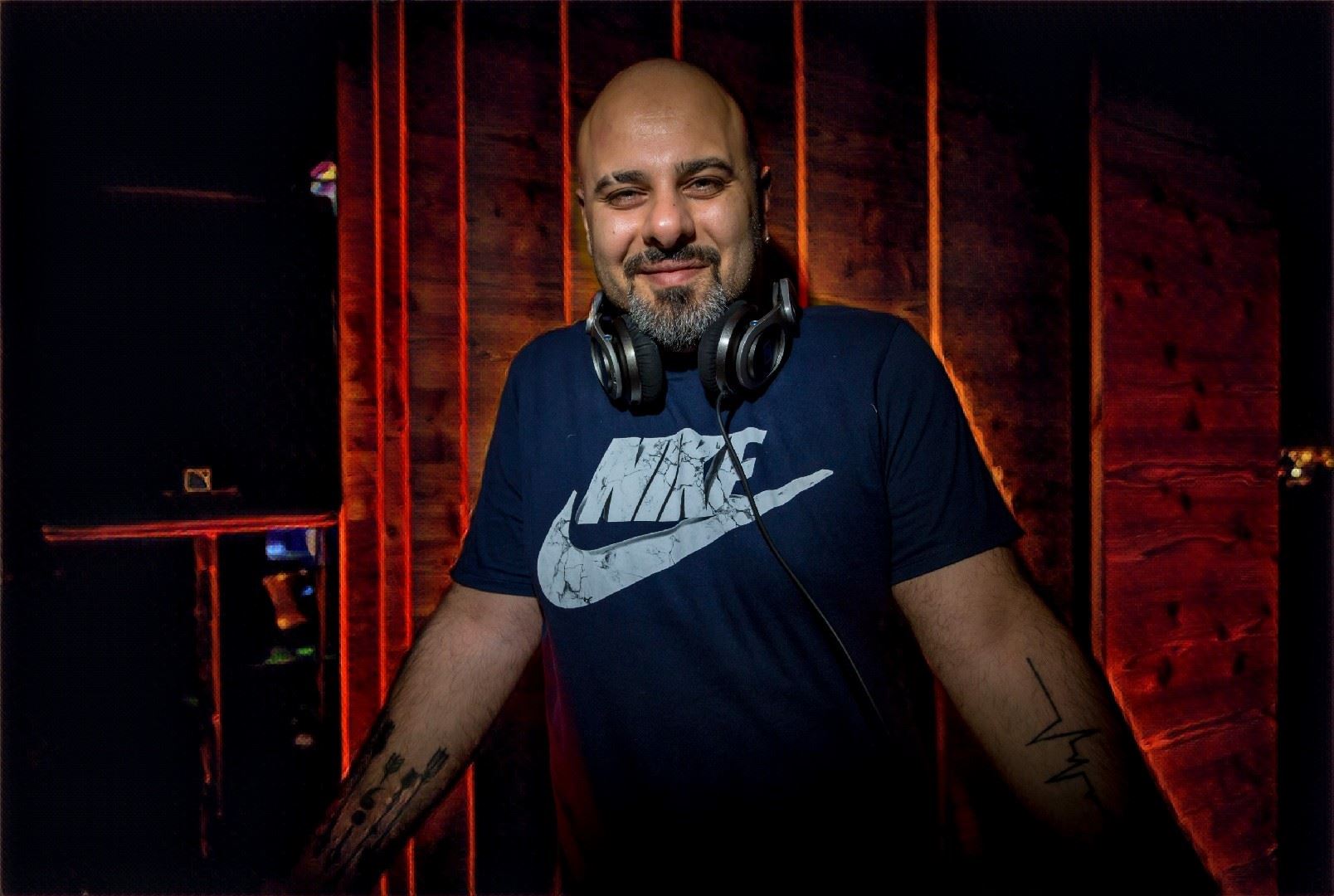
Walk into almost any bar in Mar Mikhael at 2 AM, after a night of house and Arabic trap, and there's a good chance the last song before the lights come up isn't a club record at all. It's Fairouz. Maybe "Nassam Alayna El Hawa." Maybe something older, slower, from the Rahbani catalogue. The room goes quiet for a second, then everyone sings along. It happens at weddings in Faqra too, usually right before the final send-off. It's one of the strangest and most reliable moments in Lebanese nightlife, and it's worth understanding why it still works.
Why do Lebanese DJs still play Fairouz in 2026?
Fairouz and the Rahbani Brothers — Assi and Mansour — built a sound in the mid-20th century that blended Arabic maqam melodies with Western orchestration: strings, piano, structured verse-chorus forms borrowed from European song craft. That hybrid is exactly why it survives in a modern DJ set. It's not folkloric in a way that feels distant. It's melodically Western enough to sit next to a deep house record, and emotionally Arabic enough to mean something personal to almost every Lebanese person in the room, regardless of age.
As a DJ, that's rare. Most nostalgia records only work on one generation. This catalogue works on three generations at once, which is exactly the problem every wedding and multi-generational party needs solved.
It's not about playing it early — it's about placement
The mistake I see is treating Fairouz, or any golden-age Lebanese or Egyptian classic, as background music for cocktail hour. That wastes it. These songs carry too much emotional weight to be wallpaper. They work best as a deliberate pause, placed with intention:
- Right before the last dance at a wedding, as a transition from upbeat dabke and pop back down to something intimate before the final goodbye.
- At the true end of a club night, after the last peak-time record, when a room that's been dancing for four hours wants permission to slow down together.
- During a sunset moment at an outdoor or rooftop event, where the crowd skews older or more mixed, and a familiar melody does more work than another tech house record ever could.
What it is not for: warming up a room, filling dead air, or playing safe because you're nervous about the crowd. Used sparingly, it lands as a statement. Overused, it just becomes elevator music.
How do you blend a 1960s orchestral recording into a modern set?
This is where the craft gets interesting, and it's a question I get from younger DJs in Beirut fairly often. These are not club records. They weren't recorded to a click track, tempo drifts across a verse, and the original masters were built for orchestras, not kick drums. A few approaches actually work:
- Use it as a standalone moment, not a mix. Let the song breathe on its own, bring the energy down manually, and resist the urge to beatmatch something that was never meant to be matched.
- Find or commission a clean edit. Some producers have built tasteful rework versions with a subtle, steady pulse underneath the original vocal, which makes it possible to transition in and out without killing the room's momentum. This has to be done respectfully — the vocal stays the hero, always.
- Layer sparingly with a Western instrumental. A soft piano or string bed from an unrelated track, pitched and tempo-matched underneath, can bridge a modern set into the classic without clashing. It takes a trained ear and a bit of trial and error in rehearsal, not live.
If you're building out a library for this kind of moment, sourcing well-prepared, cleanly mastered instrumental and acapella stems matters more here than almost anywhere else in a set — a muddy transition ruins a song everyone in the room already loves. I keep a dedicated folder for exactly this, built over years, and resources like topdjcrates.com are useful for finding clean, DJ-ready material when you're assembling that kind of crate from scratch.
What this means if you're planning an event in Beirut, Faqra, or the Gulf
If you're booking a wedding DJ in Lebanon — in Beirut, Faqra, Batroun, or anywhere the guest list spans grandparents to cousins in their twenties — ask your DJ directly how they handle this moment. Not whether they "know Fairouz." Everyone knows Fairouz. Ask how they'd place it in the night, and whether they've thought about the transition in and out of it. That answer tells you more about their experience than almost any other question on a checklist.
For Lebanese diaspora weddings in Doha, Dubai, or Riyadh, this matters even more. Guests flying in from Beirut or Montreal or Lagos are often more emotionally tied to these songs abroad than they would be at home — it's the sound of where they're from, playing in a room far from it. A DJ who understands that will reach for the right golden-age moment at exactly the right point in the night, not as an afterthought.
A short checklist for this specific moment
- Confirm with the couple or host in advance whether there's a specific song tied to family history — grandparents, a first dance generations back, a song from a parents' wedding.
- Don't schedule it during peak dancing. Let it earn its silence.
- Have a clean transition planned both in and out — dead air kills the moment as much as a clumsy mix does.
- Keep the volume slightly lower than the rest of the night. This is a listening moment, not a dancing one.
Where this fits into a bigger set
None of this replaces a well-built house set, a dabke run, or a 90s throwback block — it sits alongside them. Part of programming a Lebanese wedding or a mixed-generation party well is knowing when to stop being a DJ playing records and start being someone curating a memory. The golden-age catalogue, Fairouz above all, is the clearest example of that in the entire Lebanese songbook.
I build this into weddings in Faqra, club closings in Mar Mikhael, and diaspora events across Doha and Dubai regularly, because it works everywhere Lebanese people gather. If you're planning a wedding, private party, or corporate event in Lebanon or the Gulf and want a set that actually understands this kind of moment — not just plays the hits — get in touch. I'm based in Doha, play across Lebanon frequently, and take bookings worldwide.