Drones Over Faqra: Why Light Shows Are Replacing Fireworks at Lebanon's Biggest Weddings
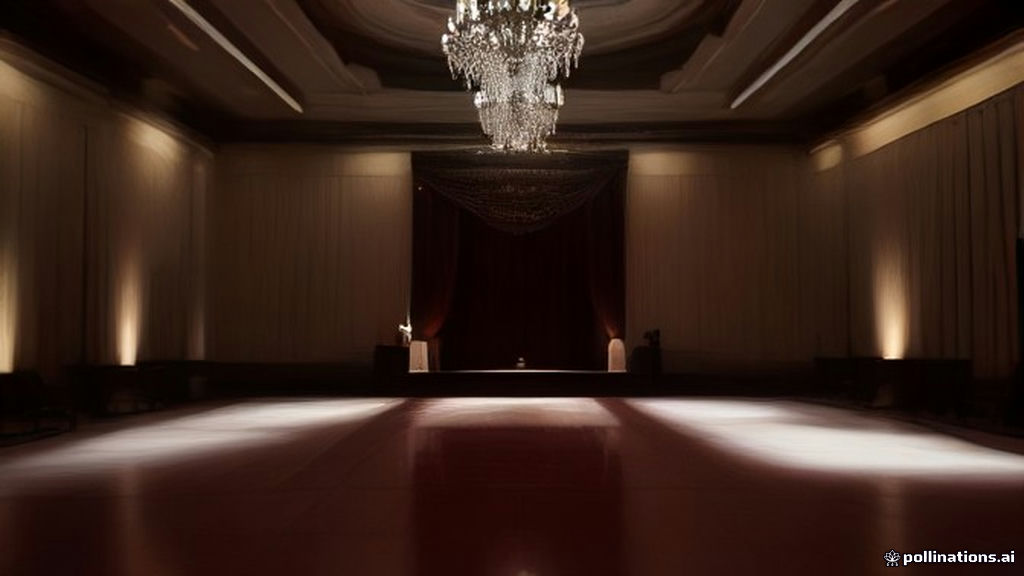
A few years ago, the big finishing touch at a Lebanese wedding was fireworks over the mountains or the coast. Lately, more couples in Faqra, Beirut, and along the coast are asking for something quieter and more controllable: a drone light show. No noise complaints, no fire permits, no smoke drifting over the dance floor right before the last set of the night. Just a formation of lit drones drawing a heart, a monogram, or a date in the sky above the venue.
As someone who builds the soundtrack for these nights, I've had a front-row seat to this shift. It changes how I plan the set, how the lighting and visuals come together, and how the whole evening is timed. Here's what I think couples and planners in Lebanon need to know before they put one on the run of show.
Why Drones Are Replacing Fireworks at Lebanese Weddings
Fireworks have always been dramatic, but they come with real friction in Lebanon right now:
- Noise and permits. Mountain towns like Faqra and coastal venues near residential neighborhoods have gotten stricter about late-night fireworks, and getting sign-off from a venue or municipality can take weeks.
- Weather and wind. A gusty night in the mountains can make fireworks genuinely unsafe, while drones can often still fly in calmer, lower-altitude formations.
- Reusability and precision. A drone show can spell out a couple's actual names or a wedding date, something fireworks simply can't do.
- Cost predictability. Once the choreography is programmed, the show is the same every time. No surprises on the day.
None of this means fireworks are gone — plenty of Lebanese weddings still want that big, loud, traditional bang, especially for zaffe arrivals. But drones have carved out a real place in the market, particularly for couples who want a quieter, more photogenic finale that won't spook the horses at a Faqra chalet or upset the neighbors in a Beirut rooftop venue.
Where a Drone Show Actually Fits in the Night
This is the part most planners get wrong: a drone show is not a replacement for good lighting or a DJ's visual work. It's a single, short moment — usually five to ten minutes — and it needs to be placed carefully so it doesn't compete with the music or kill the momentum on the dance floor.
In my experience, there are really only two spots that work:
- Right after the first dance or cake cutting, as a transition moment before the party portion of the night opens up. The energy is already warm, guests are outside or near windows, and it gives everyone a natural pause before the tempo climbs.
- As a true finale, timed to the last big song of the night, so the drone formation and the final drop happen together. This takes real coordination between the DJ, the venue, and the drone operator — everyone needs the same cue.
What doesn't work is dropping a drone show into the middle of an open dance floor. I've seen it happen: the DJ is building energy, guests are locked in, and suddenly everyone's phones go up and the room cools off. If a show is on the schedule, it belongs in the run-of-show document from day one, not added as an afterthought two weeks before the wedding.
What This Means for Your DJ and VJ Setup
A drone show in the sky is a visual event. A good DJ who also handles live VJ visuals should be thinking about what's happening on screens and in the room at the same time — not competing with it, complementing it. A few things I always coordinate when a couple has a drone show booked:
- Music that matches the mood of the formation. If the drones are spelling out names or hearts, I'll pull back to something warmer and more melodic rather than a full-energy club track.
- A clean audio cue. The drone operator needs an exact timestamp, not an estimate, so the sound and visuals land together.
- A plan for what comes right after. The best drone shows I've worked around end with the music already building back up, so the crowd doesn't just drift toward the exits.
- Backup timing. Wind, last-minute venue changes, or a delayed program all affect drone shows more than they affect a DJ set. I always build in a flexible window rather than a fixed-to-the-minute cue.
This is really no different from working alongside fireworks, a live percussionist, or a dabke troupe — it's about reading the full night, not just the music. The couples who get the best results are the ones who bring their DJ into these conversations early, alongside the planner and the drone or production company, rather than treating the DJ booth as a separate department.
What to Ask Before You Book a Drone Show for Your Beirut or Faqra Wedding
If you're considering this for your own wedding or private event, a few practical questions go a long way:
- Does the venue allow drone flights, and is there a backup plan if the operator can't fly that night?
- Who is responsible for timing the cue between the drone team, the DJ, and the planner?
- Is the formation custom, and how far in advance does it need to be locked in?
- What happens to the music and lighting in the minutes before and after the show?
None of this is complicated, but it does need to be written into the run-of-show rather than left as a vague idea. That's true whether you're planning a mountain wedding in Faqra, a rooftop celebration in Beirut, or a beachfront reception further up the coast.
Booking a DJ Who Can Work With the Whole Production
Whether your wedding has a drone show, fireworks, a live band sit-in, or none of the above, the principle is the same: the music and the visuals need to be planned together, not bolted on at the last minute. That's the kind of coordination I bring to every event, whether it's a wedding in Faqra or Beirut, a private party in Mar Mikhael, or a booking across the Gulf in Doha, Dubai, or beyond.
If you're planning a wedding or private event in Lebanon and want a DJ who thinks about the full night — sound, lighting, visuals, and timing — get in touch early. The earlier a drone show, a VJ setup, or any special moment gets into the plan, the better it plays out on the night.