Destination 'I Do': Booking a Lebanese DJ for a Wedding in Cyprus, Greece, or Anywhere Your Guests Will Follow
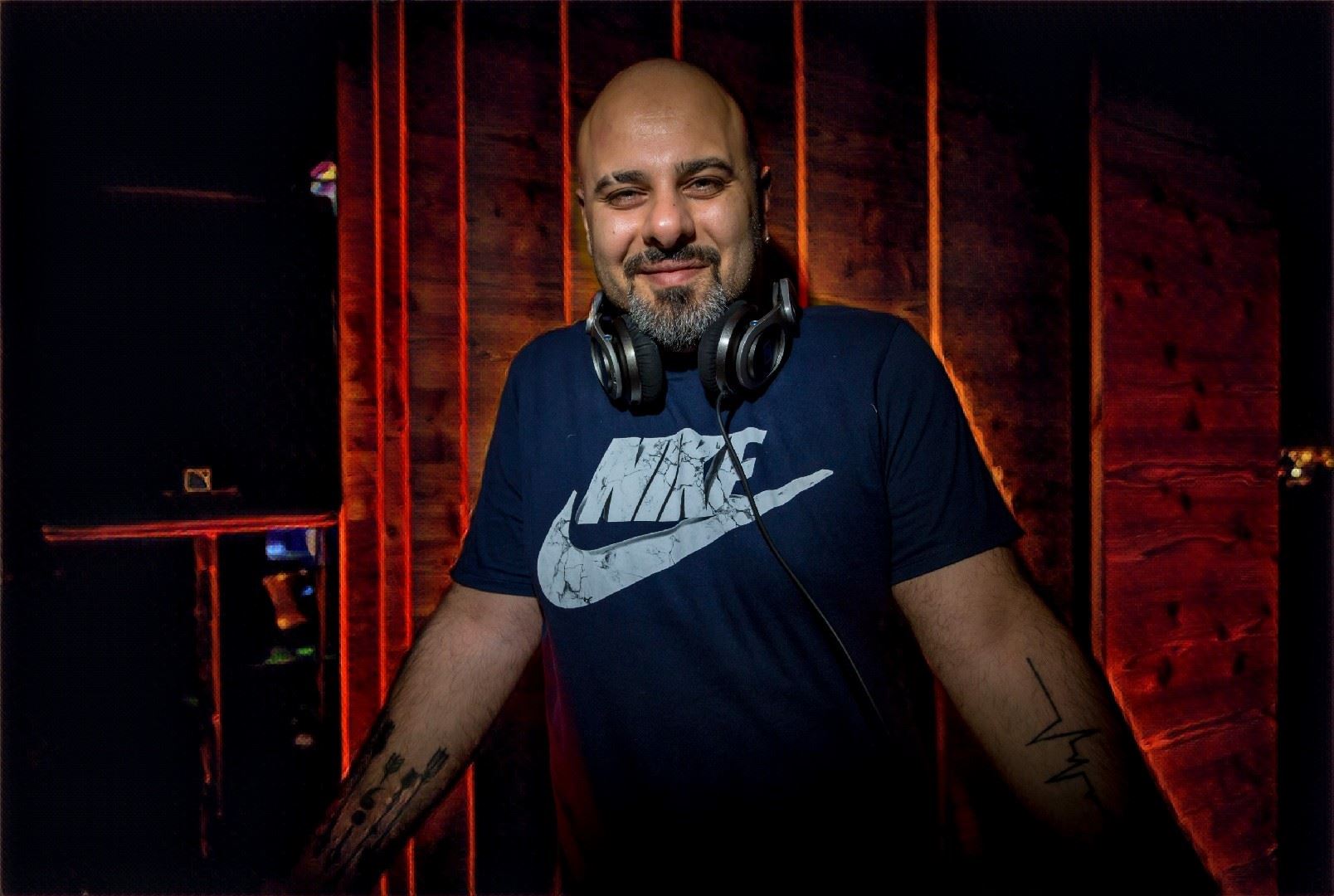
A growing number of Lebanese couples are getting married somewhere other than Lebanon — and then throwing the real party back home. It's a pattern that's become common enough that it now shapes how I plan a season.
Why so many Lebanese weddings happen outside Lebanon
Lebanon has no civil marriage law. Couples who want a civil ceremony, or who come from different religious backgrounds, routinely travel to places like Cyprus to register the marriage, then return to celebrate properly in Beirut, Faqra, or a family village. Others choose Cyprus, Greece, or even further afield simply for the scenery, the budget, or because half the guest list already lives abroad and a neutral location is easier for everyone to reach.
Whatever the reason, the pattern is the same: a short, often private ceremony somewhere else, followed by a full Lebanese reception where the music, the traditions, and the guest list are unmistakably home.
What this means for booking entertainment
If you're planning a wedding like this, you're usually managing two very different events:
- The ceremony abroad — smaller, often more intimate, sometimes with music needs as light as background ambiance and a first dance.
- The reception in Lebanon — the full production, with zaffe, a live band segment maybe, a DJ set that has to carry the night from cocktail hour through the last dabke circle.
The mistake I see most often is treating these as two separate, disconnected bookings handled by whoever's available locally at each stop. That works, but it means briefing two different DJs, two different playlists, and hoping the energy carries over. Some couples instead choose to fly their DJ with them — booking one person who already knows the family, the music history, and the exact moment the aunts want to hear Fairouz, so the sound feels continuous even when the location isn't.
What to ask before flying a DJ abroad
If you're considering bringing your DJ to the ceremony location:
- What's actually needed there? A small civil ceremony rarely needs a full rig — sometimes it's a playlist, a speaker, and someone to manage timing, not a club setup.
- Can gear travel, or does it need to be sourced locally? Most DJs carry a laptop and a few essentials; CDJs, speakers, and lighting are usually rented at the destination. Confirm who's arranging that.
- Is there a language and culture gap to manage? A DJ unfamiliar with Lebanese customs can play a lovely set and still miss the moment a specific song needs to land. This is where booking someone who already knows Arabic, French, and English repertoire pays off.
- What's the plan for the reception back home? Even if the ceremony is abroad, the reception is where the real programming happens — zaffe, the couple's entrance, the first dance, the cultural mix of Arabic and Western sets, the after-party stretch. That's the part worth spending your planning energy on.
The reception is still the main event
Here's the honest truth: most guests at a Lebanese wedding care far more about the reception than the ceremony location. Nobody remembers the registry office in Larnaca. Everybody remembers the moment the zaffe drums kicked in at the hotel in Faqra, or the way the dance floor in Beirut didn't empty until 3 AM.
That means the reception still deserves the same care as any traditional Lebanese wedding:
- A DJ who can read a mixed-generation crowd — grandparents at the start of the night, cousins who just flew in from Dubai or Montreal by midnight.
- A set that moves naturally between Arabic classics, Western hits, and dabke, without the transitions feeling like three separate parties stitched together.
- Someone who coordinates with the band, the MC, and the planner so the run-of-show actually holds together, especially if part of the family just landed off a long-haul flight and timing is tight.
- Programming that accounts for diaspora guests — people who grew up on the same Fairouz and Wahbe tracks but have been away long enough that this reception is their one night back in it all year.
Does the venue change the plan?
Not as much as people think. Whether the reception lands in a Beirut ballroom, a tent in Faqra, or a garden in Mar Mikhael, the fundamentals stay the same: good acoustics, a clear run-of-show, and a DJ who knows when to hold back and when to go all in. What changes is logistics — outdoor power and weather backups in Faqra, noise considerations in denser neighborhoods like Mar Mikhael, load-in timing if the venue has back-to-back events. Those are planning details, not music decisions, and a DJ who's worked across Lebanon's venues will flag them before they become problems.
A note on budget
Flying a DJ to a ceremony abroad is an added cost most couples weigh carefully, and it's not necessary for every wedding. Plenty of couples handle the destination ceremony with a simple local setup and save the full production budget entirely for the Lebanese reception — which is usually the right call. The conversation worth having with your DJ isn't "can you come to Cyprus," it's "how do we make sure the sound, the traditions, and the energy feel like one wedding, no matter where the paperwork got signed."
Booking across Lebanon and beyond
I've built sets for Lebanese weddings in Beirut, Faqra, and Mar Mikhael for over 25 years, and I understand how this two-part tradition works — the quiet ceremony somewhere else, the full celebration back home. Whether you need a DJ for the Lebanese reception, occasional travel for the ceremony itself, or both, I'm available for bookings across Lebanon, in Doha, and worldwide. Get in touch early if your date falls in peak wedding season — the good slots in Beirut and Faqra fill up fast, and the planning conversation is easier when it starts months, not weeks, out.