Dembow on the Dance Floor: Why Reggaeton Is Turning Up in Beirut and Gulf Wedding Sets
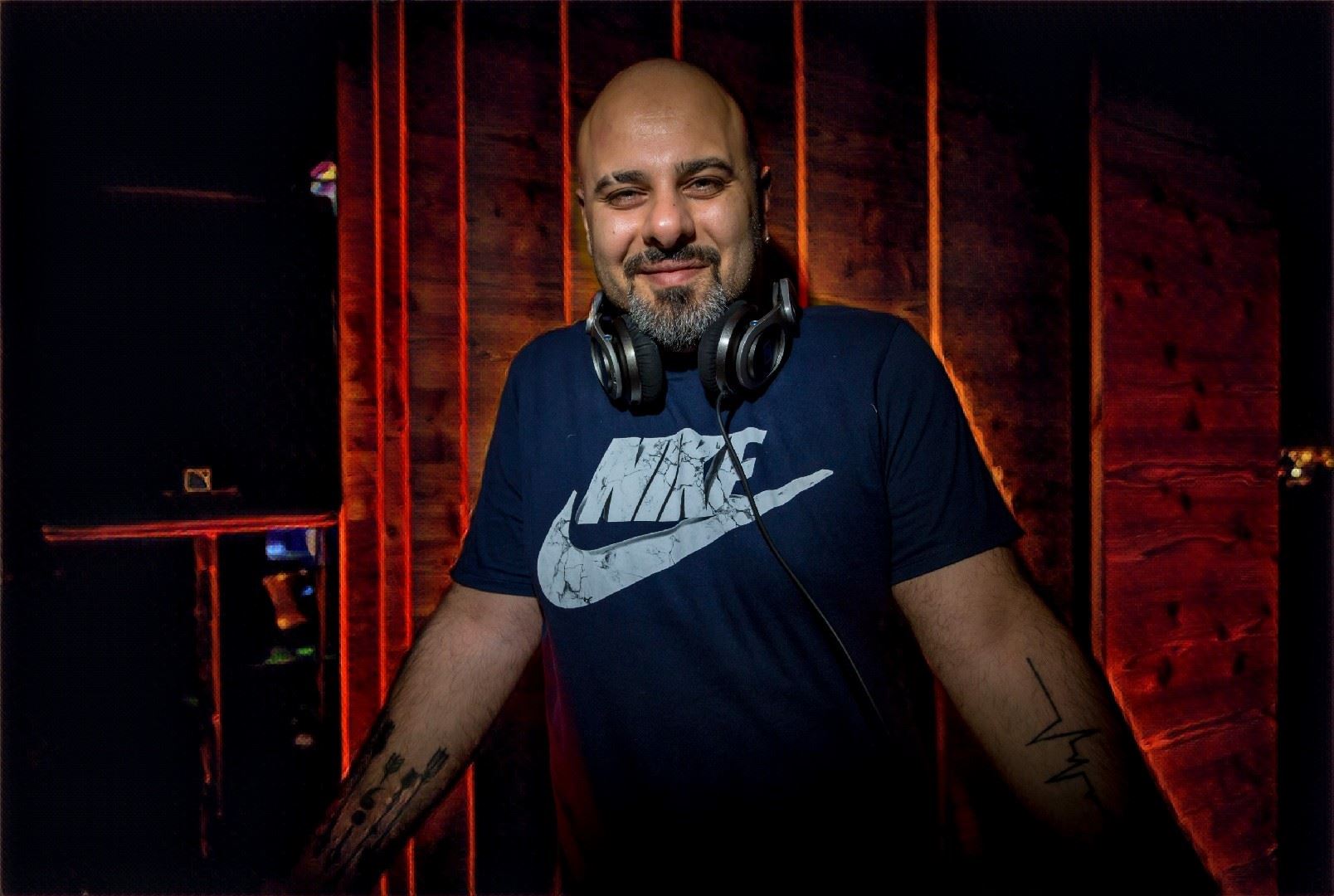
A few years ago, if a couple in Beirut asked me to work Bad Bunny or Karol G into a wedding set, it would have felt like an outlier request. Now it's a normal part of the conversation — right alongside the zaffe, the shoubi shoubi, and the obligatory 90s Eurodance block. Reggaeton and Latin pop have become part of the real vocabulary of a modern Lebanese and Gulf wedding, and if you're planning an event in Beirut, Faqra, or Doha, it's worth understanding why — and how a DJ actually uses it without derailing the night.
Why reggaeton even made it into a Lebanese or Gulf wedding
Latin music didn't arrive in this region through clubs first — it arrived through the radio and through streaming. Tracks like "Despacito," and later records from Bad Bunny, Karol G, J Balvin, Rosalía, and Shakira, have spent years sitting near the top of global charts, which means they crossed into everyday listening in Beirut and the Gulf the same way they did everywhere else. By the time a couple is building their wedding playlist, half the guest list already knows these songs from TikTok, from gym playlists, from road trips — not from going to a reggaeton night.
There's also a regional layer to it. Dubai and Doha have large Latin American and Filipino expat communities, plus a huge cross-section of European and South American guests at international weddings. A mixed-nationality guest list in the Gulf often expects at least one block of music that isn't Arabic or English — and reggaeton, being rhythmically close to dancehall and Afrobeats, fills that gap comfortably.
Why it actually works on the dance floor
This is the part that matters for a DJ, not just a playlist curator. Reggaeton's dembow rhythm sits comfortably in a tempo range — roughly 85 to 100 BPM — that overlaps nicely with:
- Arabic trap and modern Khaleeji-influenced pop
- Afrobeats and amapiano, which have already found their way into Beirut sets
- Mid-tempo hip-hop and R&B, the backbone of most Western wedding sets
That overlap is the whole trick. A good DJ isn't "switching genres" when a reggaeton record comes in — they're matching energy and tempo so the transition feels like a continuation, not a genre change. Drop it cold in the middle of a dabke set and it feels like whiplash. Build it off the back of an Afrobeats or R&B run, and it lands as the natural next step.
Where it actually fits in a Lebanese wedding timeline
I don't open with it, and I don't build a whole set around it — reggaeton is a flavor, not a foundation, at a Lebanese wedding. It tends to earn its place in one of two windows:
- Mid-reception, after the first big dabke block. Once the floor has burned off the formal energy — zaffe, first dance, family dances — a reggaeton-into-Afrobeats run gives the younger crowd something to move to while the energy resets before the next Arabic peak.
- The after-party stretch, especially in Beirut or Mar Mikhael venues where the crowd skews younger and the set runs later. By midnight, a floor that's already danced through Fairouz, 90s classics, and dabke is usually wide open to a Latin or Afrobeats detour.
What I avoid is using it as filler during dinner or as a bridge into the first dance — the tempo and vocal style don't sit well against formal moments, and it reads as out of place to older relatives, who make up a meaningful chunk of most Lebanese guest lists.
What it looks like in the Gulf
In Doha and Dubai, the calculation shifts slightly. Corporate events and multinational private parties often have a guest list where Arabic isn't even the majority language, so Latin and Afrobeats tracks can move earlier in the set without feeling disruptive. At a wedding specifically, I still treat it as a mid-to-late addition — the traditions around zaffe and family dances matter just as much to Lebanese and Gulf Arab families hosting in Doha as they do at home in Beirut.
Building the crossover without killing momentum
A few practical things I actually do when I'm folding Latin tracks into an Arabic or Western set:
- Match key as well as tempo. Reggaeton tracks are often in minor keys that sit well against Afrobeats and R&B — this is where knowing your Camelot wheel pays off, not just matching BPM on the display.
- Use clean, extended versions, not radio edits. A radio cut gives you fifteen seconds of usable transition room. An extended mix gives you a proper intro and outro to work with.
- Keep the English and Arabic vocal tracks either side of it light. Reggaeton vocals are dense and rhythmic — sandwich it between instrumental-heavy or vocal-light records so the ear gets a break.
- Read the floor before committing. If the energy spikes on the first reggaeton track, I'll run two or three deep. If it's lukewarm, I treat it as a one-off and move on — it's a tool, not a statement.
Sourcing the right versions matters more than people think. A huge amount of what makes this transition feel seamless is having a clean, DJ-ready edit on hand rather than wrestling with a YouTube rip mid-set. For producers and DJs building out a library that covers this kind of cross-genre work, TopDJCrates is a solid source for curated, DJ-ready WAV packs that save you the prep time on exactly this sort of blend.
What this means if you're planning a wedding or event
If you're a couple or a planner building a reception in Beirut, Faqra, or Doha, the takeaway isn't "add reggaeton to the playlist." It's that your DJ should already know how and when these crossovers work — not just whether you've requested them. A good music selection conversation before your wedding should cover:
- Which non-Arabic, non-English genres matter to your guest list
- Roughly when in the night you want the floor to open up versus stay formal
- Whether your crowd skews toward an earlier, family-heavy exit or a long after-party
That's the conversation I have with every couple before I touch a playlist, because programming a wedding in Beirut or Doha isn't about chasing trends — it's about knowing exactly where a trend like this earns its spot in a night built around Arabic tradition first.
I play weddings, private parties, and club nights across Beirut, Faqra, and Mar Mikhael, and I travel regularly for bookings in Doha, Dubai, and across the Gulf. If you're planning an event and want a set that actually reads your room — whatever's on it — get in touch and let's talk about your night.