Booking a DJ in Muscat: Why Oman's Event Scene Is Finally Getting the Entertainment It Deserves
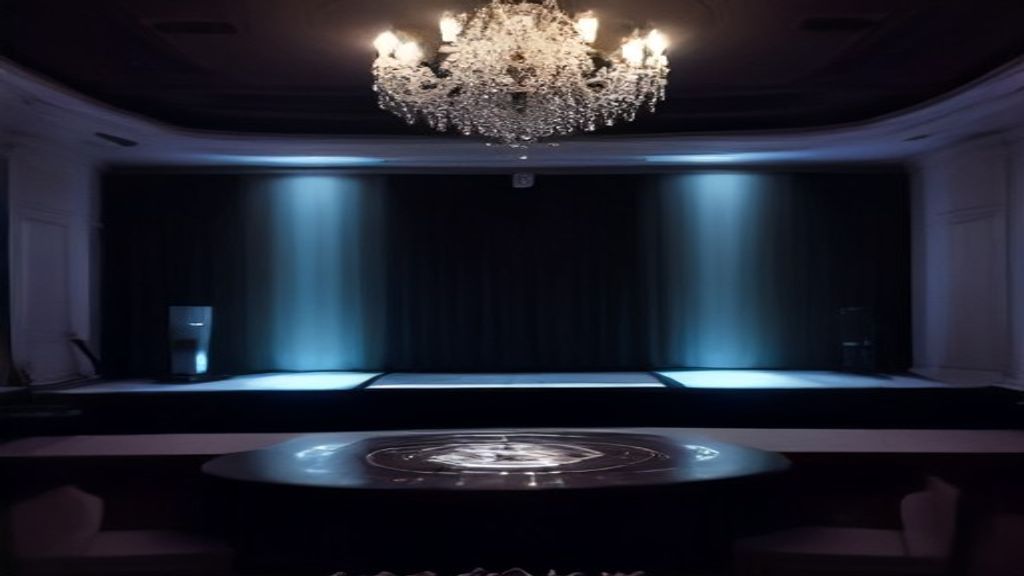
Ask anyone who's worked events across the Gulf for the last decade and they'll tell you the same thing: Oman used to be the quiet one. Dubai had the spectacle, Doha had the ambition, Beirut had the history. Muscat had the scenery — and not much noise beyond it.
That's changing. Oman's resorts, waterfront venues, and new hospitality developments are hosting weddings, corporate launches, and private parties that rival anything happening in Dubai or Doha. The city isn't trying to out-shout its neighbors. It's building something quieter and more deliberate — which, if you're planning an event there, actually changes what you should be looking for in your entertainment.
Why Muscat Is Suddenly on the Map
Oman has spent years positioning itself as the Gulf's alternative to the mega-city model — fewer skyscrapers, more coastline, a slower pace that appeals to a different kind of traveler and a different kind of client. That strategy is paying off in the events world too. Hotel groups have expanded their ballroom and outdoor event capacity along the Muscat coastline, and international companies hosting regional conferences are increasingly adding Oman to the rotation alongside Dubai and Doha.
For anyone booking entertainment, this matters because Muscat's venues are built for a different kind of atmosphere than a Dubai rooftop or a Doha ballroom. Think open-air corniche settings, resort lawns backing onto the sea, and heritage properties with acoustics that reward a DJ who knows how to read a space rather than just plug in and go loud.
What Booking in Oman Actually Requires
A DJ who's only ever worked purpose-built nightclubs will struggle in Muscat. The city's best venues are hotels, private villas, and outdoor terraces — spaces that demand flexibility, not just a big rig.
Here's what actually matters when you're booking for an event in Oman:
- Sound that respects the venue. Many of Muscat's premier spaces are outdoors or semi-outdoors near residential areas or other guests. A DJ needs to know how to build energy without needing to blow out a system to do it.
- Gear that travels well. Oman doesn't have the same density of rental houses as Dubai. A DJ who can work confidently across Pioneer CDJs, a controller setup, or whatever the venue supplies — using Rekordbox or Serato depending on what's available — saves you from logistics headaches.
- A playlist built for a mixed crowd. Corporate events in Muscat often draw an international guest list — Omani executives, expat teams, visiting delegations. Weddings blend Arabic tradition with Western reception formats just as often as they do in Doha or Beirut. The DJ needs a library deep enough to move between both without missing a beat.
- Local coordination. Whether you're working with an in-house hotel events team or an independent planner, someone needs to manage load-in times, sound permissions, and curfews. This is where working through an established entertainment contact — rather than a stranger found last-minute — saves real stress.
Direct Booking vs. Working Through a Hotel or Agency
Most events in Oman run through the hotel's own events department or a regional planning agency, and that's usually the right call for logistics — permits, vendor coordination, stage and lighting rentals. But the entertainment itself is worth booking with intention rather than accepting whatever's on a preferred-vendor list.
A touring DJ who already works across Doha, Dubai, and Beirut brings something a purely local option often can't: a music library built over 20 years across genres and eras, and the road experience of adapting a set to venues that range from a superyacht deck to a five-star ballroom. That range matters more in a market like Oman, where no two venues feel alike.
Programming for a Muscat Crowd
The craft doesn't change just because the city does. Reading the room still means starting warm, building through dinner, and finding the right moment to shift from a lounge tempo into something that actually fills a dance floor. What changes is the texture. Omani weddings and galas often want more space for live traditional elements — a zaffa-style entrance, a folkloric interlude — woven into an otherwise contemporary set. A DJ who can transition out of that into 90s classics or current house without killing the momentum is doing the real work of the job.
This is also where preparation off the decks matters as much as anything that happens live. Building a crate for a night like this — one that can move from Arabic vocal tracks into disco, into current house, and back — takes real library organization. For DJs looking to build out that kind of range quickly, curated, DJ-ready packs from a source like topdjcrates.com can fill gaps in a collection without weeks of digging, which matters when you're prepping for a market with such a wide guest mix.
What This Means If You're Planning an Event in Oman
If you're organizing a wedding, corporate event, or private party in Muscat, treat the entertainment booking with the same seriousness as the venue and catering. Ask specific questions:
- What gear does the DJ actually bring versus rely on the venue for?
- Can they show you past sets or playlists spanning the styles your guest list will expect?
- How do they handle outdoor sound limitations or noise curfews common in coastal venues?
- Are they comfortable coordinating directly with your hotel's events team?
Oman's event scene is growing precisely because it's not trying to copy Dubai. Bring entertainment that understands that difference.
I'm based in Doha but work across the Gulf and Levant regularly — Dubai, Abu Dhabi, Beirut, and increasingly Oman as more clients look beyond the usual circuit. If you're planning a wedding, private party, yacht event, or corporate function in Muscat or anywhere in the region, get in touch early. The best sets start with a real conversation about the room, the guests, and the night you're actually trying to build — not a generic package.