Booking a DJ in Byblos: Waterfront Weddings, Old Souk Bars, and Lebanon's Quietest Booking Secret
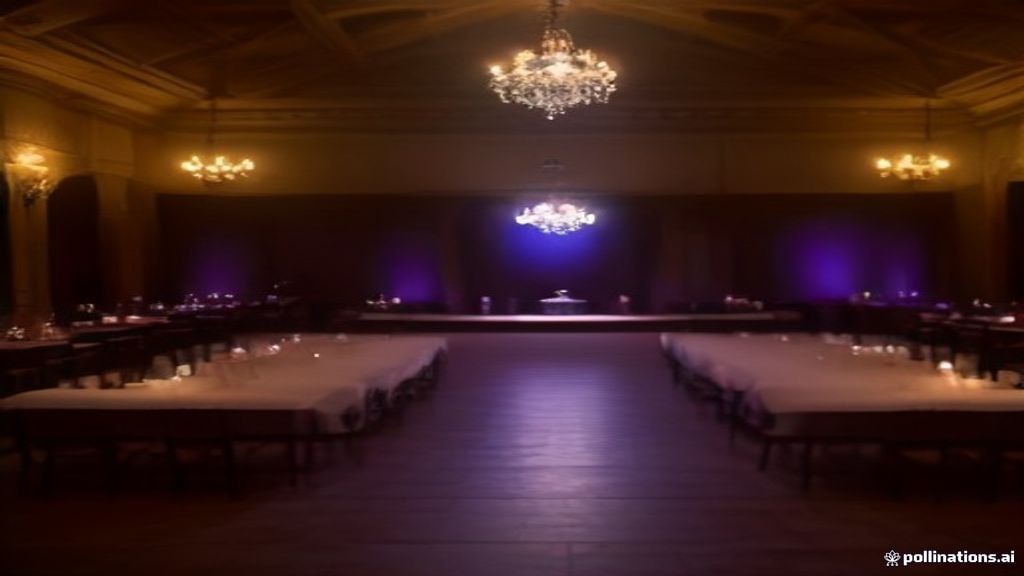
Ask most people planning an event in Lebanon where to book a DJ, and they'll say Beirut, Faqra, or Mar Mikhael. Byblos — Jbeil to locals — almost never makes the shortlist. That's a mistake, and it's one I've been quietly correcting for years.
Byblos is one of the oldest continuously inhabited port towns on earth, and that history is exactly what makes it such an unusual place to run a party. You've got a medieval souk full of small bars packed shoulder to shoulder, a working fishing harbor lined with restaurants that turn into lounges after 10pm, and a growing number of private villas and rooftop terraces overlooking the water that host everything from engagement parties to corporate retreats. None of it behaves like a Beirut club or a Faqra chalet, and if you book a DJ who treats it the same way, the night falls flat.
What Makes Byblos Different From Beirut or Batroun
Beirut nightlife is built around a handful of destination clubs with serious sound systems and a crowd that came specifically to dance. Batroun's beach clubs are open-air, high-BPM, sun-and-speaker events. Byblos is neither. It's intimate, it's historic, and the acoustics work against you before you've even plugged in a cable.
Here's what actually changes the approach:
- Stone and open-air venues eat high frequencies. The old souk's narrow alleys and stone walls reflect sound unpredictably — what sounds balanced at the booth can turn muddy twenty meters away. Harbor-front terraces have the opposite problem: sound disappears into open air over the water, so you need more clarity, not more volume.
- The crowd skews mixed and multigenerational. A wedding or family celebration in Byblos often has grandparents at one table and cousins in from Dubai at the next. Programming has to bridge decades in a way a strictly nightlife crowd doesn't demand.
- Curfews are real and enforced. Byblos is residential right up to the water. Outdoor events, especially near the souk, usually have firmer noise cutoffs than a purpose-built club venue would.
- Load-in is tight. Cobblestone streets, narrow doorways, and limited vehicle access mean gear has to be chosen and packed with the venue in mind, not the other way around.
How I Program a Byblos Set Differently
For a harbor restaurant or a private waterfront terrace, I lean into a lounge-to-dance arc rather than a straight club build. Guests arrive to eat, talk, and take in the view, so the first hour is deep, warm, mid-tempo — think classic disco and soulful house rather than anything peak-time. As dinner winds down, I bring the energy up gradually, watching the room rather than the clock. By the time people are ready to move, the transition feels earned instead of forced.
For events in the old souk itself — a private bar takeover, a birthday, a small brand activation — the room does the work for you. These spaces are small and social by nature, so open format done well beats a long techno build every time. Arabic classics next to 90s R&B next to a disco cut people forgot they loved — that's the Byblos souk crowd, and it rewards a DJ who reads quickly and pivots without ego.
Questions to Ask Before You Book a DJ for a Byblos Venue
If you're planning something in Jbeil, ask any DJ you're considering these before you sign anything:
- Have they worked a stone or open-air venue before, and do they understand how differently sound travels there compared to an indoor club?
- Can they bring their own compact sound system, or does the venue's house PA need to be assessed in advance? Many souk bars and smaller terraces don't have club-grade rigs.
- What's their plan for the noise curfew? A good DJ builds the set backwards from the cutoff time, not forwards from the start.
- Can they genuinely mix Arabic, Western, and older classics in the same set? Byblos crowds are rarely one-genre audiences.
- How do they handle load-in logistics on narrow streets or through a restaurant's working kitchen hours?
Any DJ who can't answer these clearly hasn't worked the town.
Byblos as Part of a Bigger Lebanese Night
I often get booked for a Byblos dinner or engagement that flows into a later set somewhere else — a private afterparty in Beirut, or a continuation up in Faqra the same weekend. Because Jbeil sits almost exactly between Beirut and Batroun, it's increasingly common for hosts to plan a two-stop night: dinner and cocktails on the water in Byblos, then a proper dance floor elsewhere once the curfew hits. If that's your plan, tell your DJ early — the gear, the set list, and even the drive time all need to be built around it.
Booking
Byblos doesn't need a bigger sound system or a louder DJ. It needs someone who respects what the town already is — old, beautiful, and genuinely social — and builds the night around that instead of against it.
I'm based in Doha but I'm in Lebanon constantly, playing weddings, private parties, and club nights across Beirut, Faqra, Mar Mikhael, Batroun, and increasingly Byblos. If you're planning something on the water in Jbeil, or anywhere else in Lebanon, the Gulf, or beyond, get in touch early — the best venues in this town book out fast once the season starts.