AI Stems and Live Mashups: How New DJ Tech Is Changing Sets in Beirut and Doha
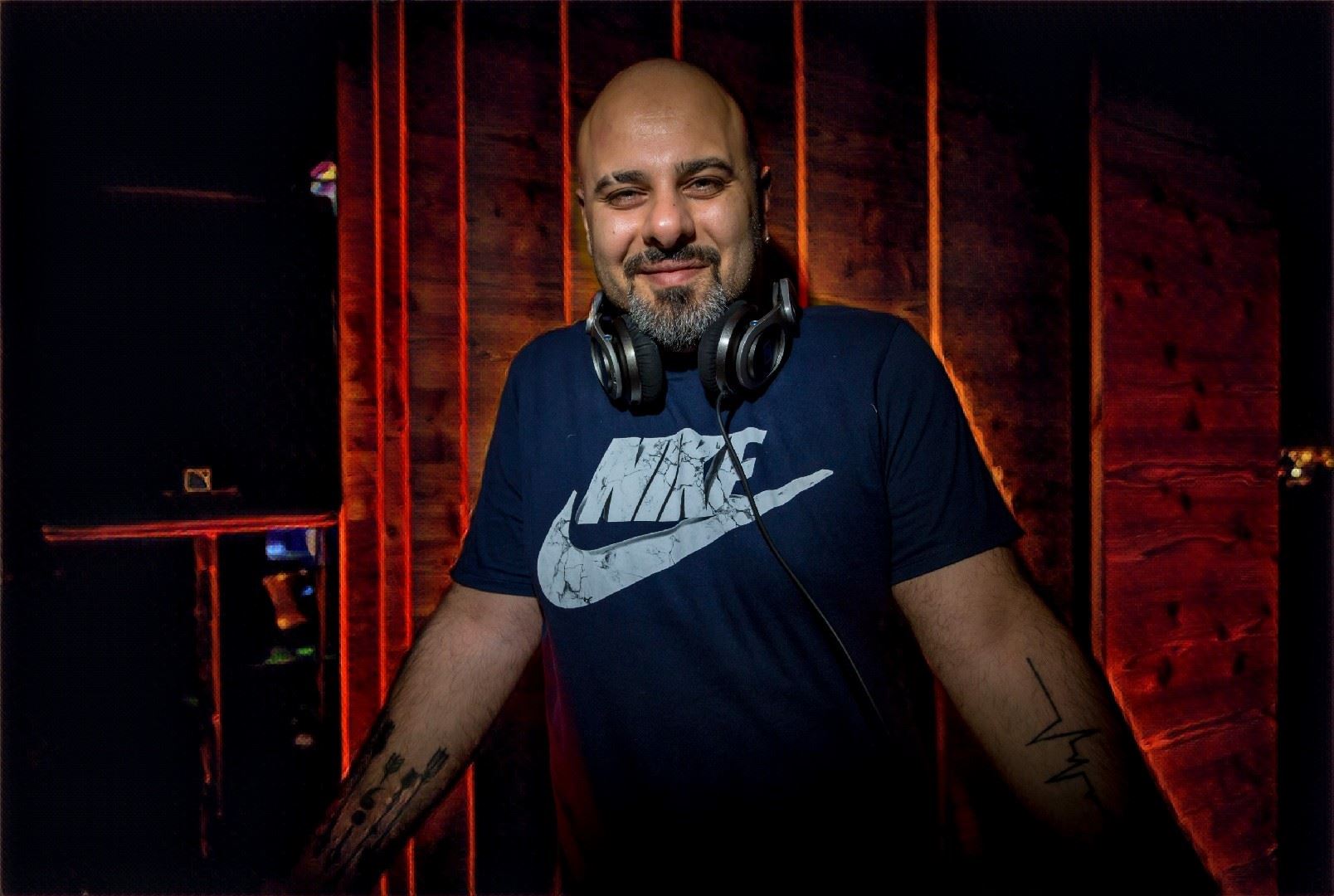
A few years ago, if a DJ wanted to drop an acapella over a different track, that acapella had to exist as its own file. You needed the vocal stem from the original studio session, or you built one yourself with hours of editing. Today, software built into Rekordbox and Serato can take almost any finished track — a dabke classic, a 90s anthem, last summer's radio hit — and split it into vocals, drums, bass, and melody on the fly. That shift is quietly changing what's possible in a set, whether it's a wedding in Faqra or a Thursday night in Mar Mikhael.
What is stem separation, actually?
Stem separation uses machine learning to analyze a stereo audio file and pull apart the elements that were mixed together when the track was mastered. A finished song that once arrived as one locked waveform can now be opened up into its component parts — a vocal line isolated from the instrumental, a drum pattern isolated from the bassline. Both Pioneer's Rekordbox and Serato have shipped versions of this directly into their DJ software, meaning it runs on the same laptop already sitting in the booth, not in some separate studio process days before the gig.
For a DJ who has spent 25 years crate-digging and beat-matching by ear, this is a genuinely new tool, not a gimmick. It means:
- Dropping just the vocal from a Fairuz or Fayrouz-era classic over a modern house beat without needing a pre-made edit
- Muting the drums on an overplayed wedding hit so the room gets the melody without the fatigue
- Building a live mashup between an Arabic vocal and a Western instrumental in real time, instead of pre-programming it at home
Why this matters for a Lebanese wedding or a Gulf club night
Lebanese weddings live and die on the blend. A reception in Beirut or a mountain wedding in Faqra usually needs Arabic, French, and English woven together across the night — zaffe, dabke, a first dance, then a dance floor that has to satisfy a grandmother and a 25-year-old cousin in the same hour. Stem tools make that blend smoother. A DJ can take the energy of a dabke rhythm and layer it under an unexpected vocal, or strip a song back to just percussion to bridge two completely different genres without the transition feeling abrupt.
In club settings — Mar Mikhael's bar strip, a Doha lounge, a Dubai rooftop — the same technology opens up live remixing that used to require studio time. A resident DJ can test a mashup on the floor, read the reaction, and adjust in real time instead of committing to a pre-rendered edit that either works or doesn't.
Does this replace skill?
No, and this is worth being direct about. Stem separation is not always perfect — vocals can bleed into the instrumental, or a drum isolation can sound thin if the original mix was dense. It still takes a trained ear to know which tracks will separate cleanly and which will fall apart the moment you push the technology. The tool is only as good as the person using it. Twenty-five years of knowing how a kick drum should sit against a vocal doesn't become less useful — it becomes the filter that decides when to use the new toy and when to leave a classic alone.
How this fits into set preparation
Stem tools don't remove the need for a well-organized library. If anything, they reward it. A DJ who has spent years tagging tracks by BPM, key, and era can now also flag which tracks separate cleanly, which have strong enough recordings to survive being pulled apart, and which should stay untouched. Preparation before the gig still matters more than anything that happens in the moment on stage.
This is also where sourcing clean, well-mastered audio becomes more important, not less. Stem separation works far better on a properly mixed, high-bitrate file than on a compressed MP3 pulled from a streaming rip. For DJs building out a library specifically to take advantage of this technology, a resource like topdjcrates.com is worth a look — curated, DJ-ready WAV packs give the separation engine something solid to work with, rather than asking it to rescue audio that was never recorded cleanly in the first place.
Practical things to ask your DJ about this
If you're booking entertainment for a wedding, corporate event, or club night and you're curious whether your DJ is using this kind of technology, a few questions help:
- Do you build mashups live, or only pre-prepare them? Both are valid, but it tells you how adaptable the set can be to the room.
- How do you handle vocal-heavy requests from different traditions in the same night? Stem tools make Arabic-to-Western transitions smoother, but only in the hands of someone who already knows the material.
- What's your backup if a live edit doesn't land? Even with the best technology, a DJ should always have a clean, pre-tested version of a crowd favorite ready to go.
Where this is headed
Expect this to keep getting better. The separation quality on both major platforms has improved noticeably in just the past couple of release cycles, and it's becoming a normal part of how working DJs prepare, not a novelty reserved for producers. For a region like Lebanon and the Gulf, where multi-genre, multi-language programming is the norm rather than the exception, that's a meaningful shift. It gives a DJ one more way to keep a dabke-heavy Beirut wedding or a house-driven Doha club night feeling current without losing what made the original tracks work in the first place.
Booking Tony
I build every set — wedding, club night, corporate event — the same way I always have: by knowing the room and knowing the music inside out. The new tools just give me more ways to serve that. I'm playing regularly across Lebanon, from Beirut and Mar Mikhael to mountain weddings in Faqra, and I travel for bookings across Doha, Dubai, and the wider Gulf. If you're planning an event and want a set that actually reads the room — old tools, new tools, whatever gets the floor moving — get in touch and let's talk about your date.