Achrafieh After Dark: Booking a DJ for Beirut's Uptown Lounge and Rooftop Scene
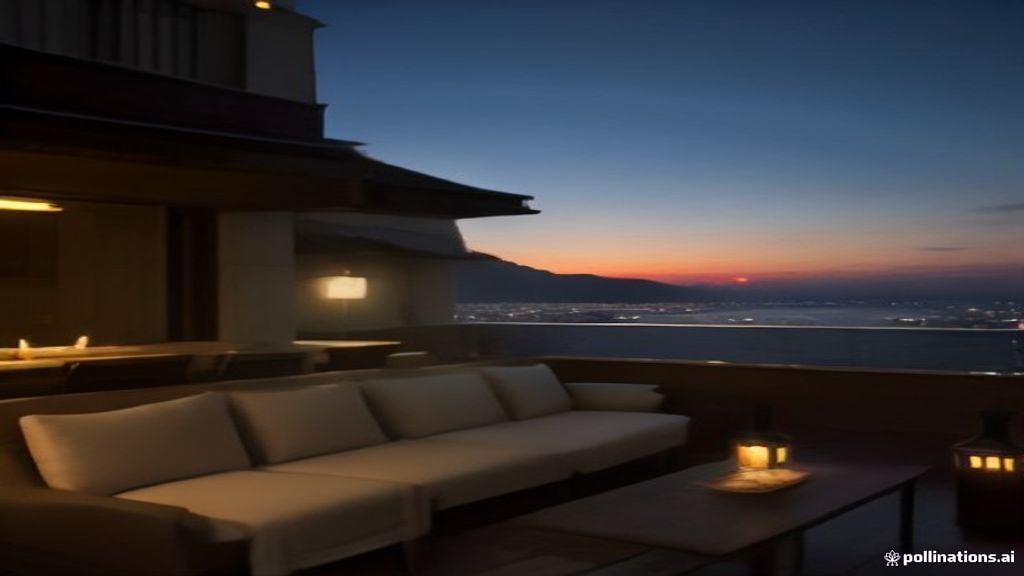
Ask someone in Beirut where the city's nightlife lives, and they'll usually point you to Mar Mikhael or Gemmayze first. Fair enough — those streets earned their reputations. But walk up the hill into Achrafieh, past Sassine Square and around the Sofil Center and ABC mall, and you'll find a different scene entirely. Rooftop terraces, hotel lounges, restaurant bars that turn into something else after 11pm. It's quieter on the surface and louder in the wallet. And it needs its own approach to sound.
I get asked to play Achrafieh venues fairly often, and the brief is almost never "give us a club night." It's something more layered — dinner crowd easing into drinks, drinks easing into a dance floor that was never designed to be one. That's a specific skill, and it's worth breaking down for anyone planning a private party, a corporate mixer, or a rooftop launch in this part of Beirut.
What Makes Achrafieh's Nightlife Different
Achrafieh grew up around residential streets, embassies, and old Beirut families — not around a nightlife strip the way Mar Mikhael's train-track bars or Gemmayze's Rue Gouraud did. The venues here are mostly:
- Rooftop bars and lounges attached to hotels or restaurants, with a view over the city rather than a queue on the sidewalk.
- Restaurant-bar hybrids where the room is set for dinner at 8pm and needs to become a party by 11pm without anyone rearranging furniture.
- Private residences and rooftop terraces, since Achrafieh has some of Beirut's most requested apartment and penthouse party spaces.
That mix means the crowd skews a little older, a little more international, and a lot more particular about volume than a Mar Mikhael bar crowd. Neighbors are closer. Ceilings are lower. The room was built for conversation, not for a wall of sub-bass.
Programming for a Room That Wasn't Built to Be a Club
The single biggest mistake I see at uptown venues is a DJ who plays the same opening hour they'd play at a club on Gouraud Street. It's the wrong energy for the room and it burns the crowd out before the night even needs it.
For an Achrafieh lounge or rooftop, I build the set in three clear phases:
- The arrival hour. Deep house, nu-disco, some Arabic-flavored downtempo. Vocal-forward, groove-forward, nothing that competes with conversation.
- The turn. Somewhere between drink two and drink three, the room usually tells you it's ready. BPMs climb gradually, classics from the 70s, 80s and 90s start appearing, and Arabic pop or dabke edits get folded in if the crowd calls for it.
- The peak. This is where a rooftop can actually hold its own against a full club — but only if the first two hours were paced right. A crowd that's been eased in dances longer and harder than one that got hit with peak-time energy from track one.
That patience is really what separates a wedding-and-club veteran from a background-music DJ. Reading when a room is ready to turn is a skill that doesn't show up on a rider — it shows up in twenty-plus years of watching feet, not phones.
Sound Considerations You Won't Think of Until It's Too Late
Rooftop and lounge venues in Achrafieh come with real acoustic and practical constraints that flat-out don't exist at a club:
- Noise ordinances and neighbors. Achrafieh is dense and residential. A rig that's perfect for an open field in Faqra will get the police called on a rooftop here. Sound needs to be directional and controlled, not just loud.
- Structural limits. Not every rooftop or terrace was built with a full PA and lighting rig in mind. Load-in, weight distribution, and where speakers actually sit matters more than it does in a purpose-built club.
- Wind and open air. A rooftop set behaves differently from an indoor room acoustically — highs disperse, bass gets swallowed. A DJ who's only ever played indoor rooms will misjudge the mix.
- Backup power. Anyone booking in Beirut already knows this one. A generator or UPS plan for the DJ booth isn't optional, it's standard practice.
None of this is a reason to avoid a rooftop party — it's one of the best formats Beirut has. It's just a reason to ask your DJ, in advance, whether they've actually played this kind of room before.
Questions to Ask Before Booking a DJ for an Achrafieh Venue
If you're planning a private party, corporate reception, or milestone birthday on a terrace or in a lounge in this part of the city, a few questions upfront save a lot of stress on the night:
- Have they played rooftop or open-air rooms, and do they understand directional sound systems?
- Can they build a genuinely slow-burn opening set, not just a quieter version of their club set?
- Do they carry — or coordinate with a sound engineer who carries — equipment that suits a terrace, not a warehouse?
- Are they comfortable folding Arabic classics and dabke into a Western set when the room asks for it?
- Do they have a backup plan for power, given Beirut's realities?
A good answer to all five tells you more than any promo reel will.
Achrafieh, Mar Mikhael, and Everything In Between
Beirut's nightlife map isn't one scene — it's five or six of them stitched together, each with its own rhythm. Mar Mikhael wants energy from the first track. Gemmayze wants heritage bars turned loose. Achrafieh wants a slow build that respects the room and the neighbors, then rewards the patience with a real peak. Faqra wants altitude and open-air scale. Knowing the difference — and building the set for the actual room, not a generic template — is most of the job.
I play across all of them, along with regular bookings in Doha and across the Gulf, and the venue always dictates the plan before the genre does. If you're planning a rooftop night, a private party, or a corporate evening in Achrafieh — or anywhere else in Beirut, Faqra, or Mar Mikhael — get in touch early enough to talk through the room, the crowd, and the sound. That conversation is where a good night actually starts.